Treeologie
Oak wilt
OAK WILT
Oak wilt, caused by the fungus Bretziella fagacearum, is one of many important tree diseases in Texas. Due to the destructive nature of this fungus, oak wilt has been extensively studied throughout 25 states for over 70 years. There are many established facts about the disease. Recommendations to manage oak wilt are based on those studies. However, there are still aspects of the disease which require further research. The following recommendations include the best available information on how to recognize oak wilt and take the necessary steps to save trees.
The recommendations below focus on oak wilt as it occurs in Texas. If you are interested in more detailed information on the research conducted on oak wilt or the occurrence of the disease elsewhere, skip to the section on Host and Pathogen Biology.
Recommendations for Controlling Oak Wilt and Saving Trees
Identify which trees get oak wilt.
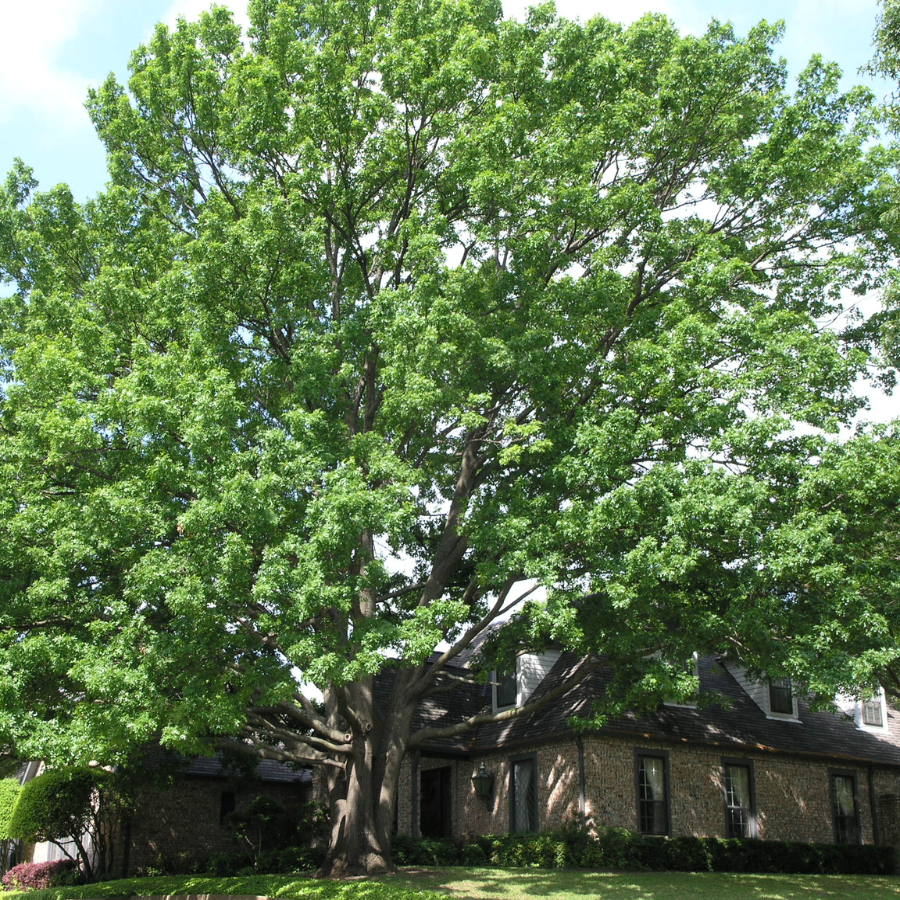
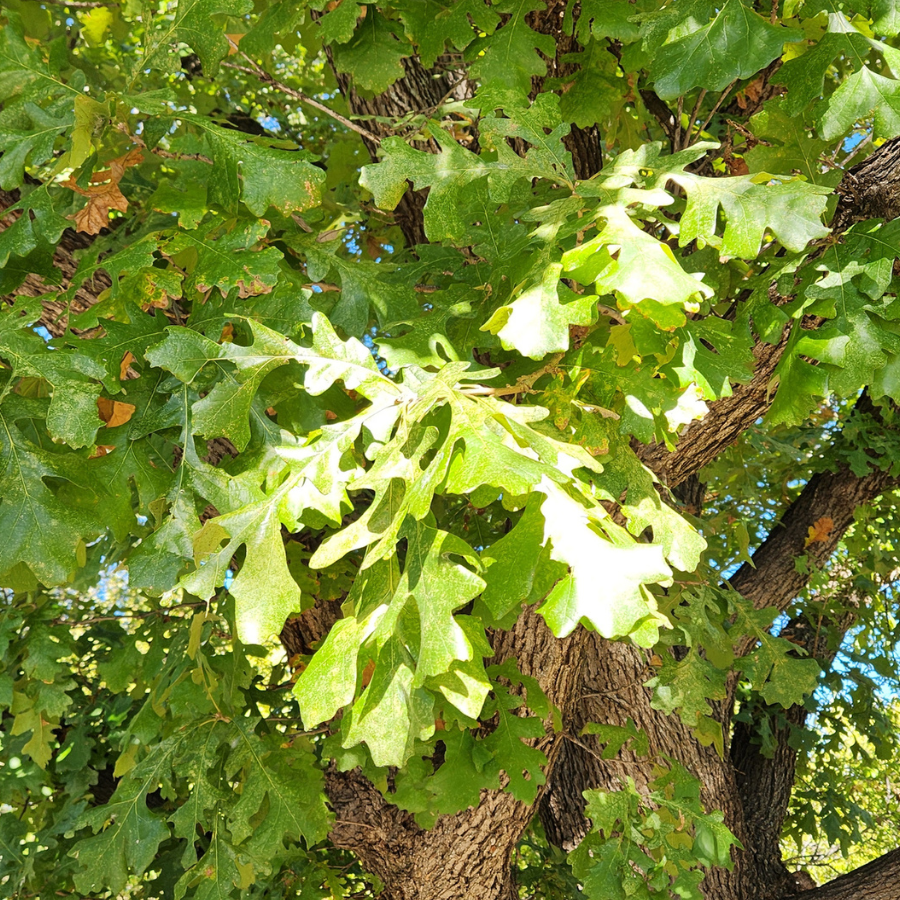
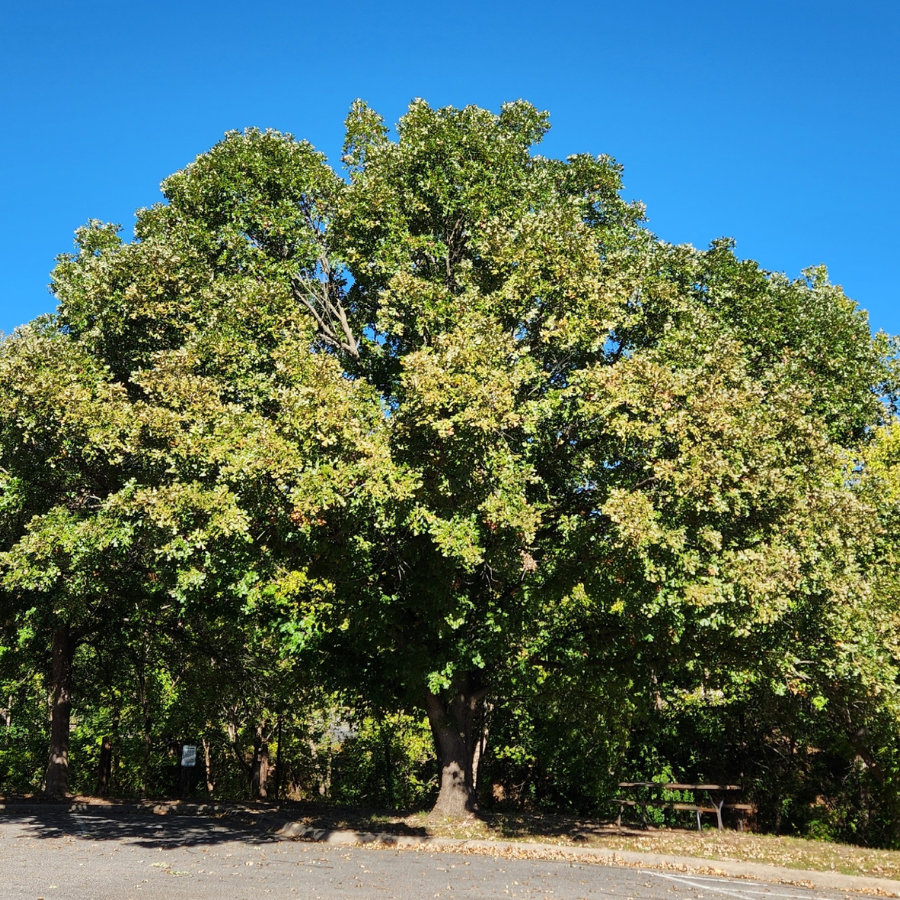
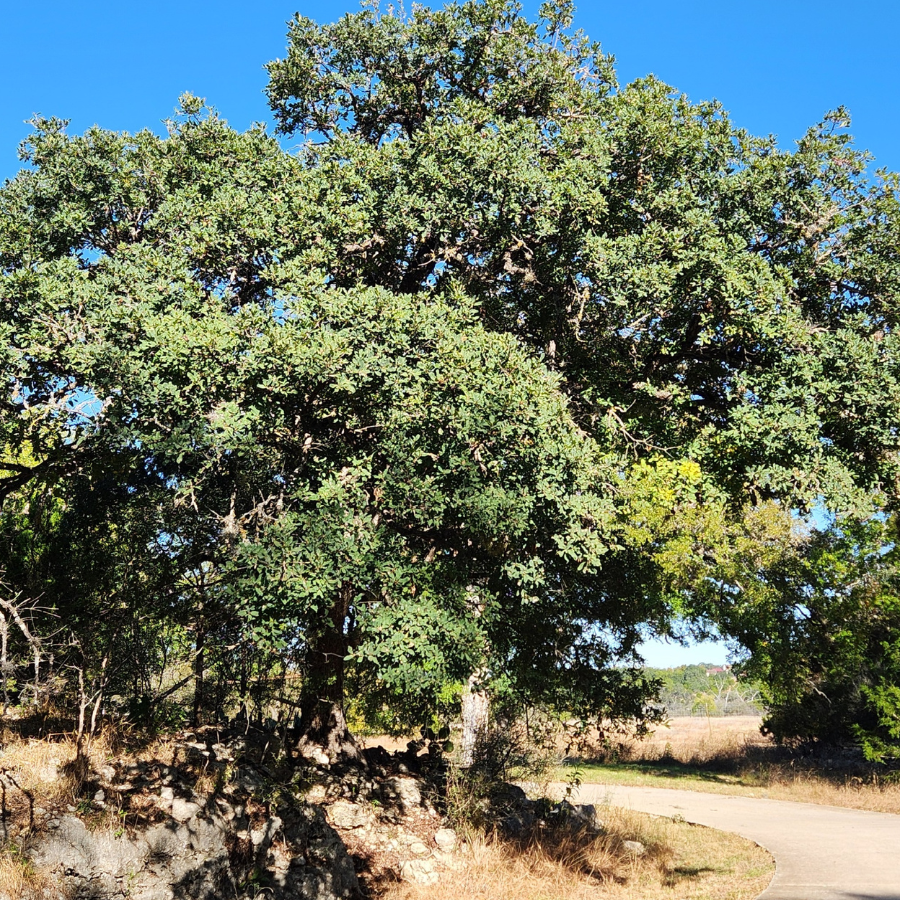
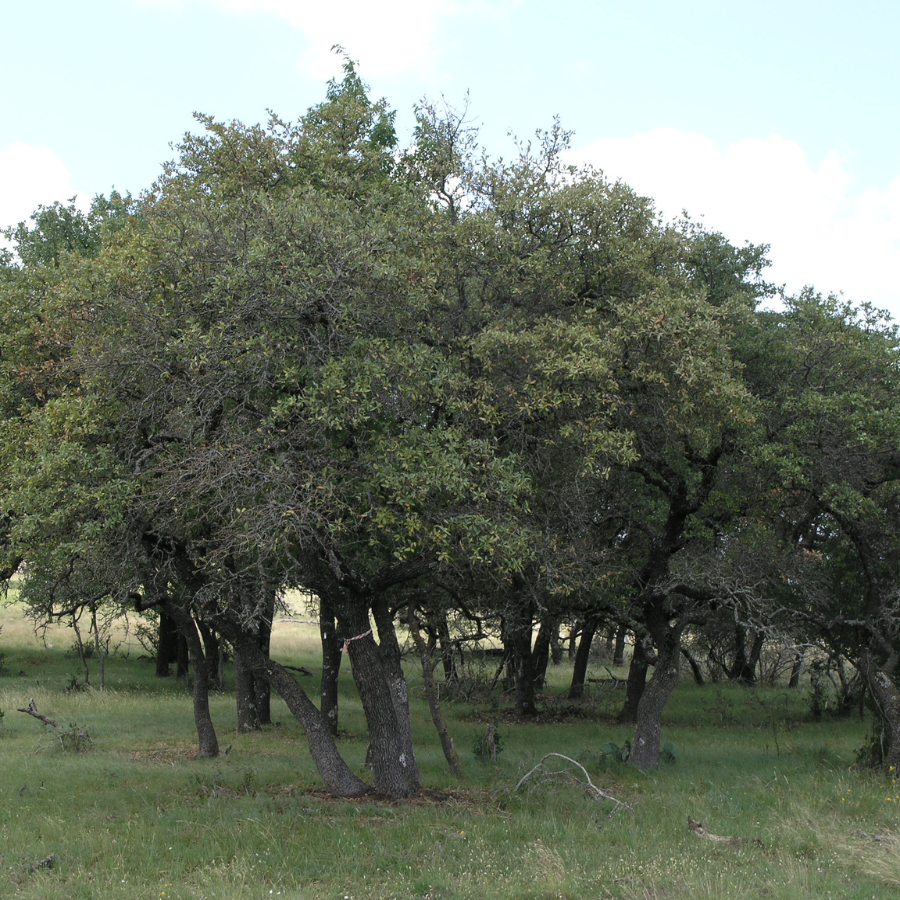
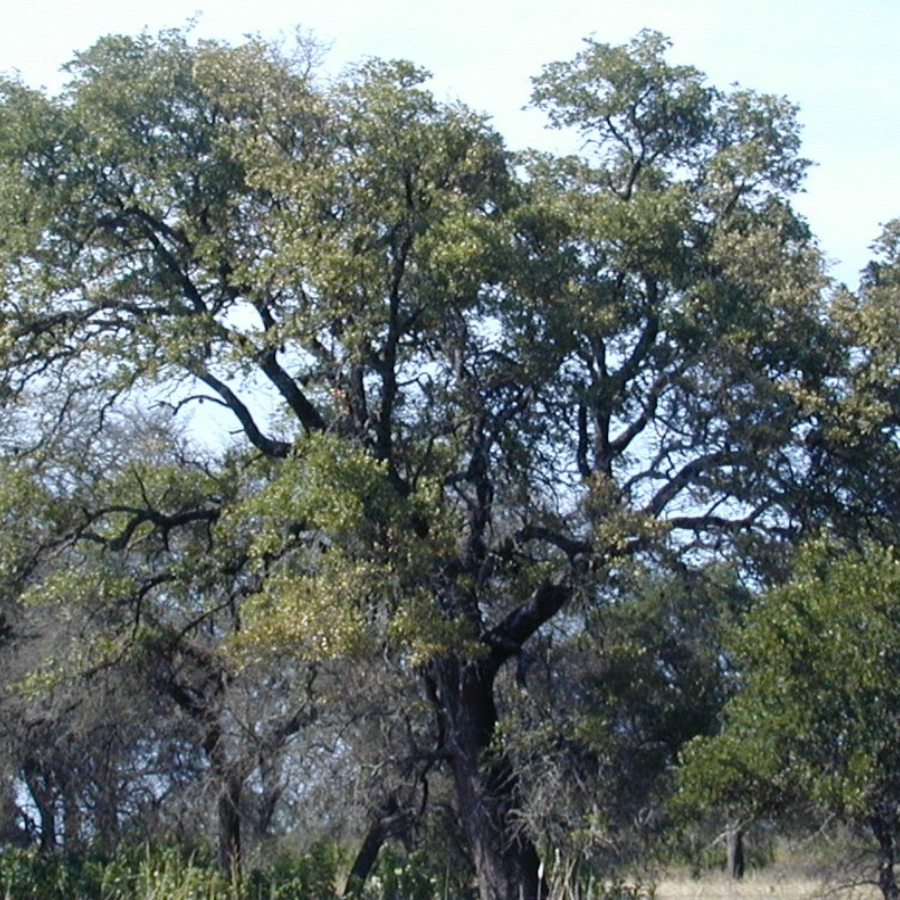
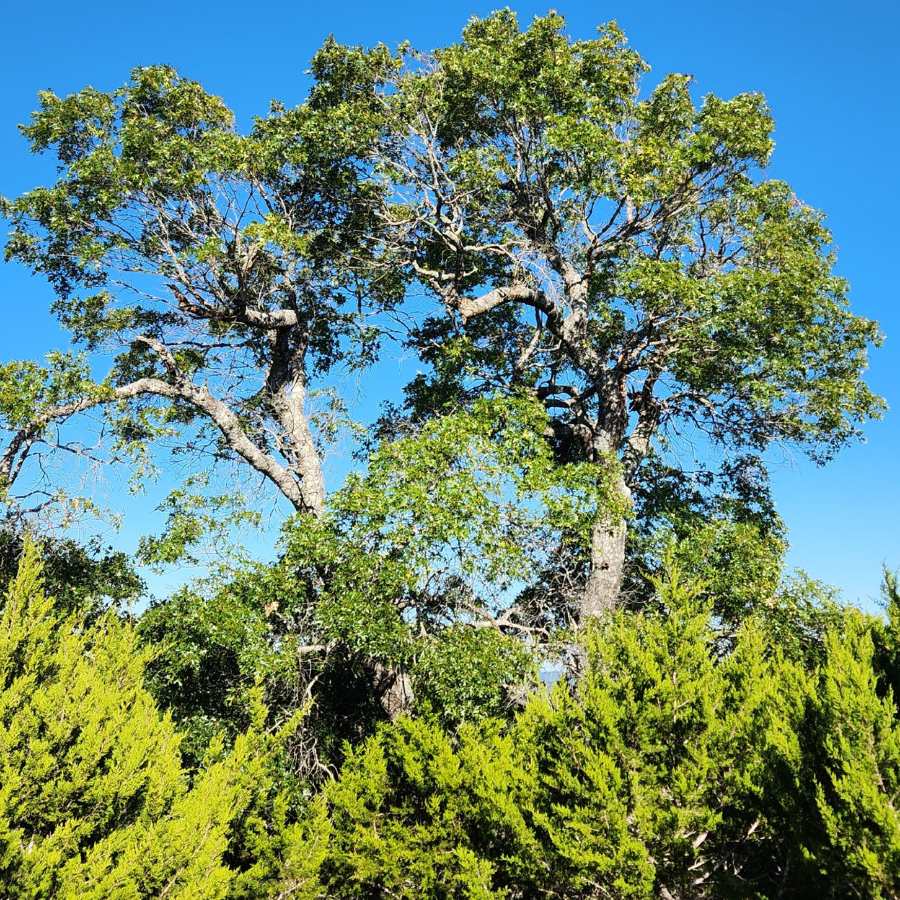
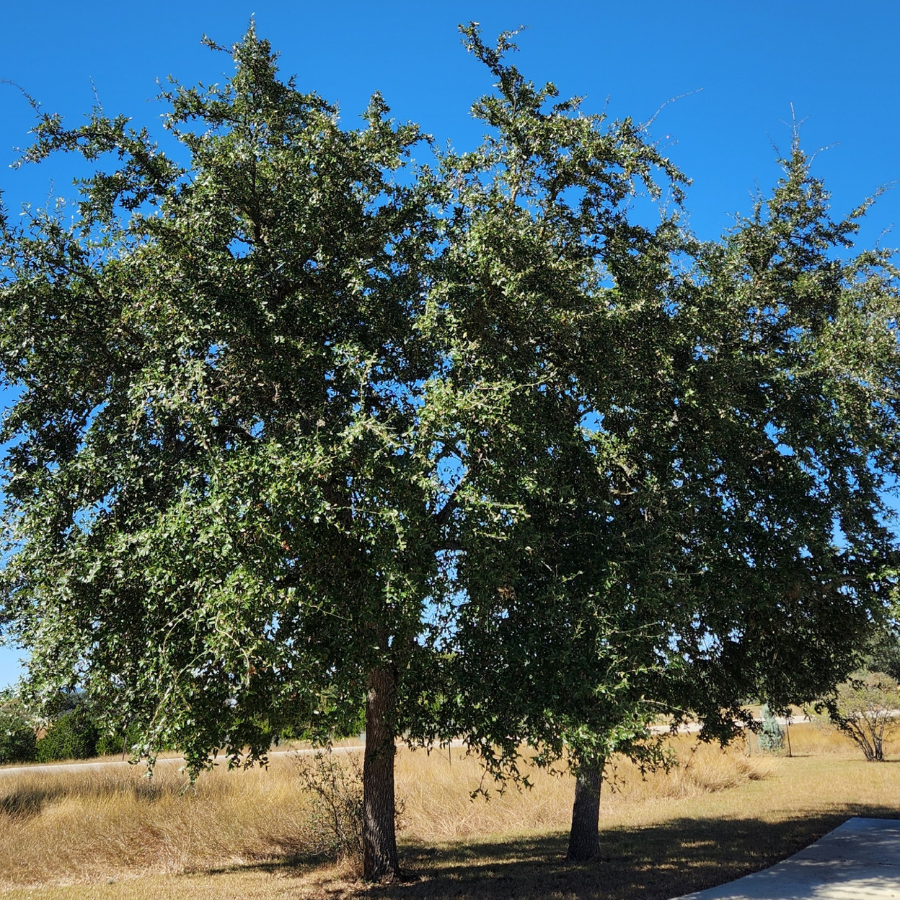
The only trees that are severely impacted by oak wilt are oaks (Genus Quercus). There are well over 50 oak species in Texas, and not all of them are equally susceptible to oak wilt. Based on their susceptibility to the disease, oak trees can be grouped into three categories: extremely susceptible, intermediately susceptible, and the least susceptible. No oak trees are immune to oak wilt. Therefore, knowing what kind of trees you have is essential to diagnosing the problem.
The Most Susceptible Species
The Moderately Susceptible Species
How to detect oak wilt – what does it look like?
The most important decision in treating oak wilt is accurately identifying the disease. Diagnosing tree diseases can be challenging because there are many potential pests and pathogens. Also, the clues (symptoms) for different diseases may be similar. Trees with oak wilt may have one or more symptoms, just as a person with the flu may have a fever, congestion, coughing and fatigue. Also, different people may respond to the same strain of flu differently, just as oaks respond differently to wilt depending on the time of year and affected oak species. The list of symptoms below is a guide in how to diagnose your problem. Even if your tree does have oak wilt you may not be able to find all the symptoms. The more that are present will increase the accuracy of the diagnosis.
Leaf Symptoms | Live Oaks | Description
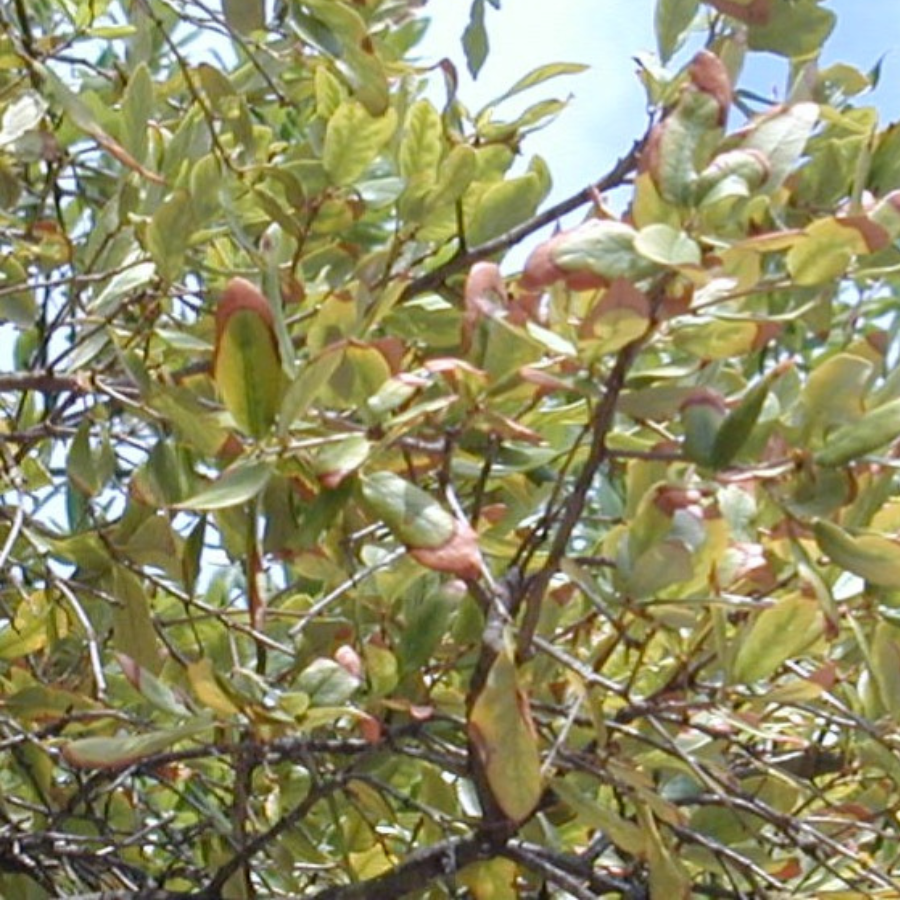
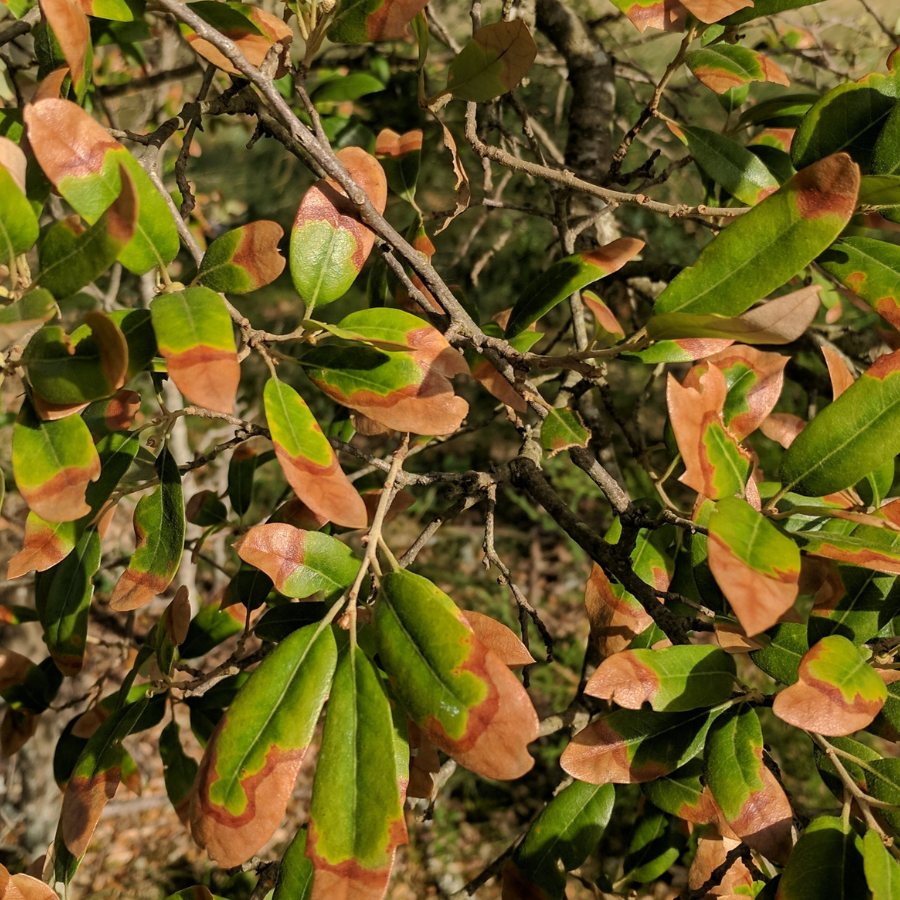
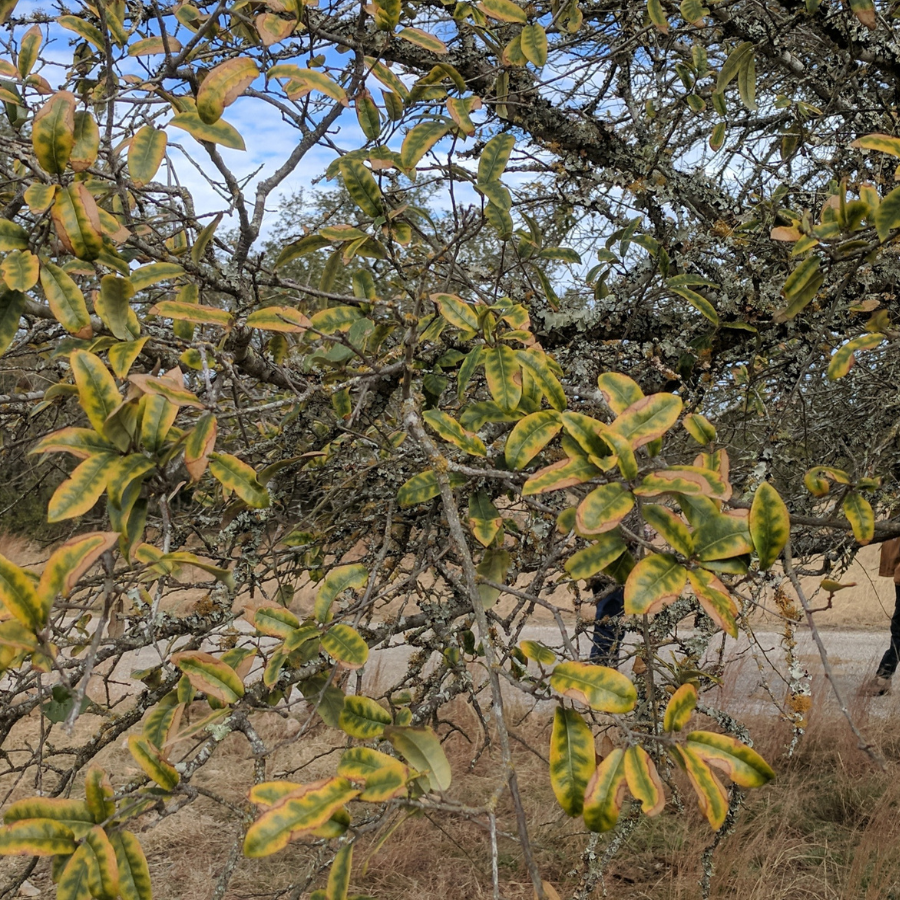
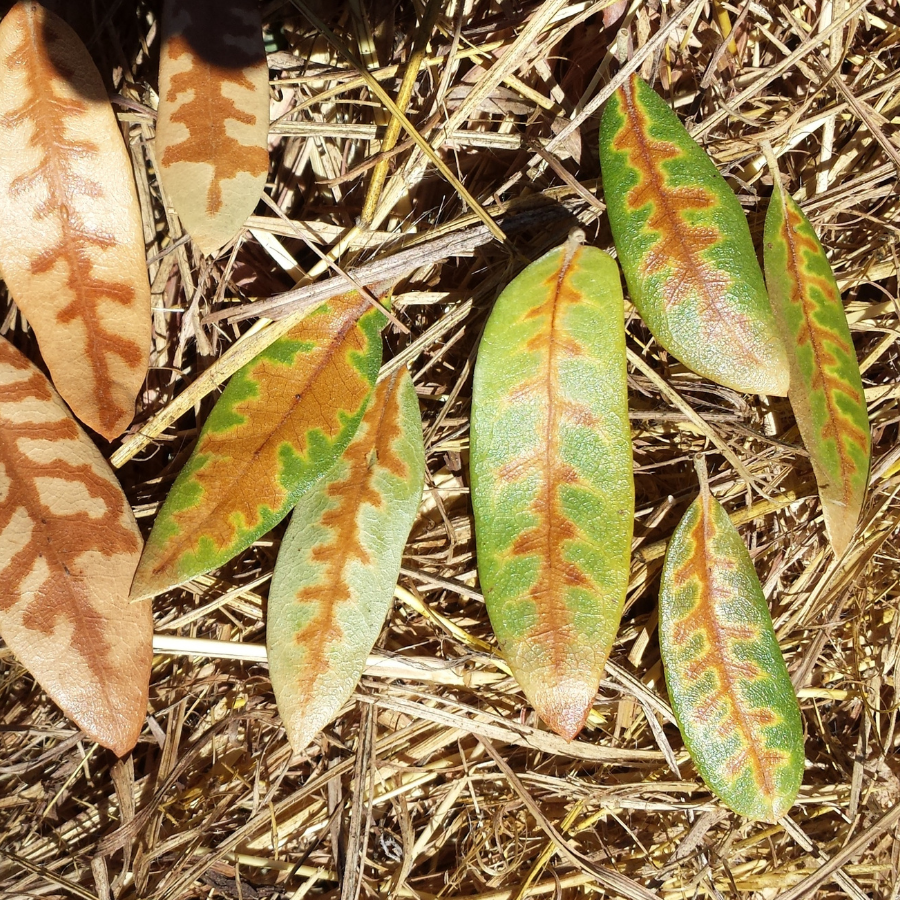
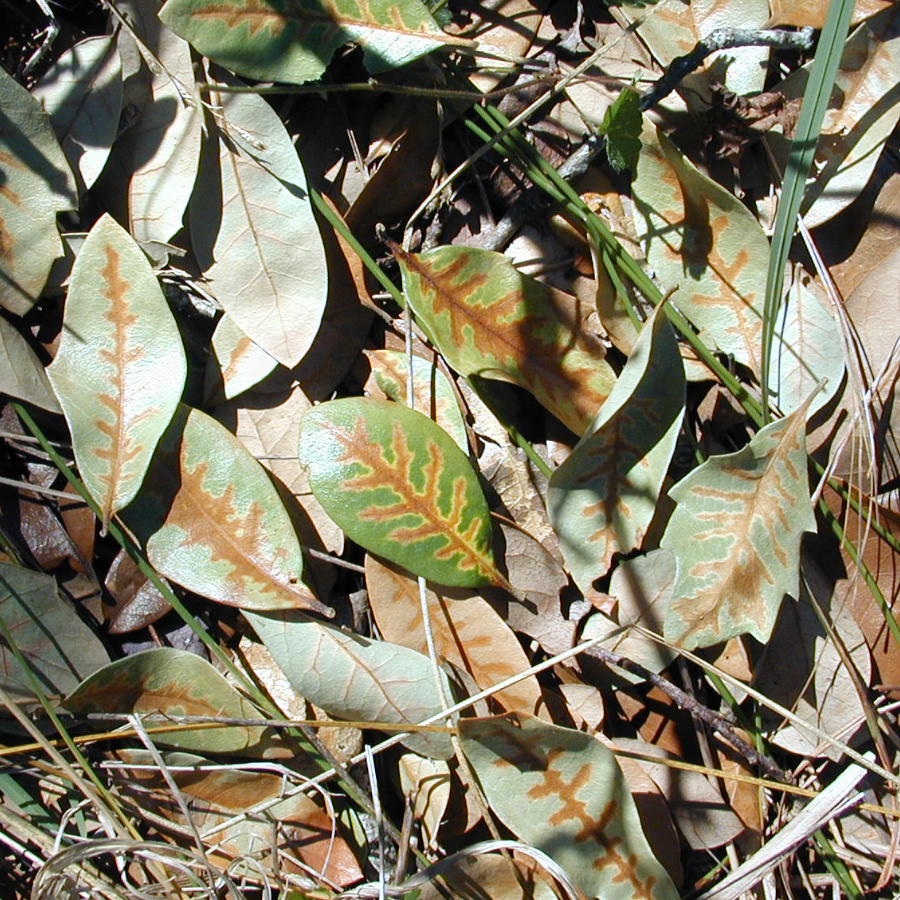
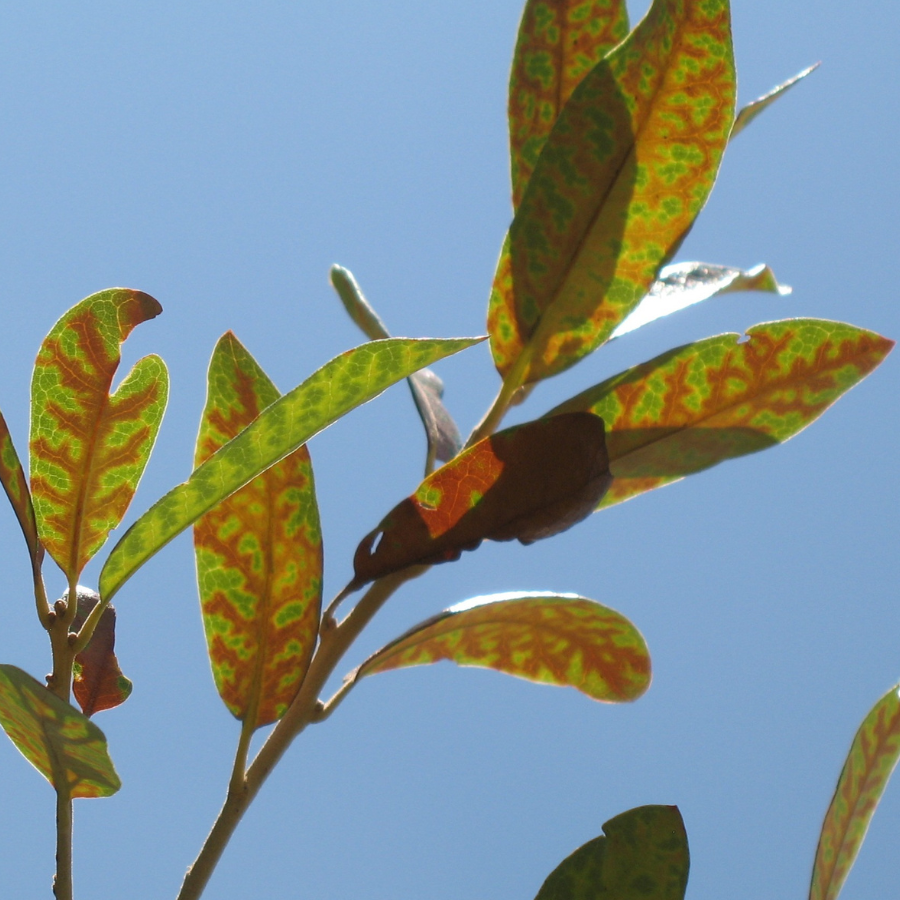
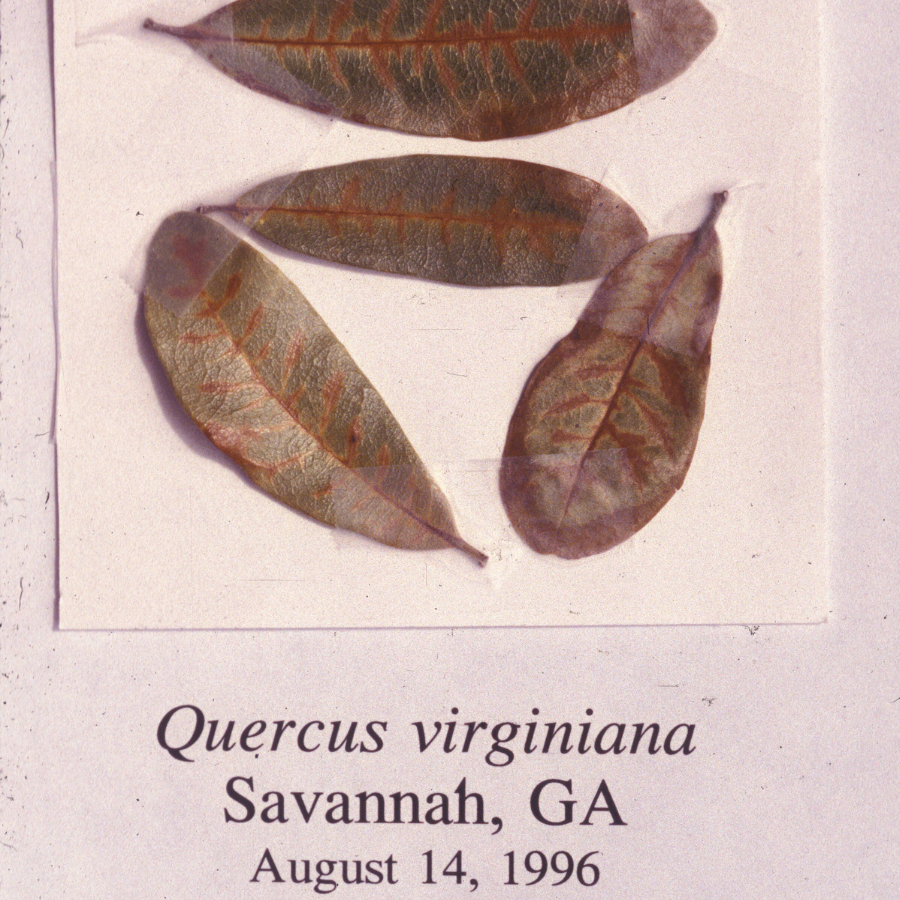
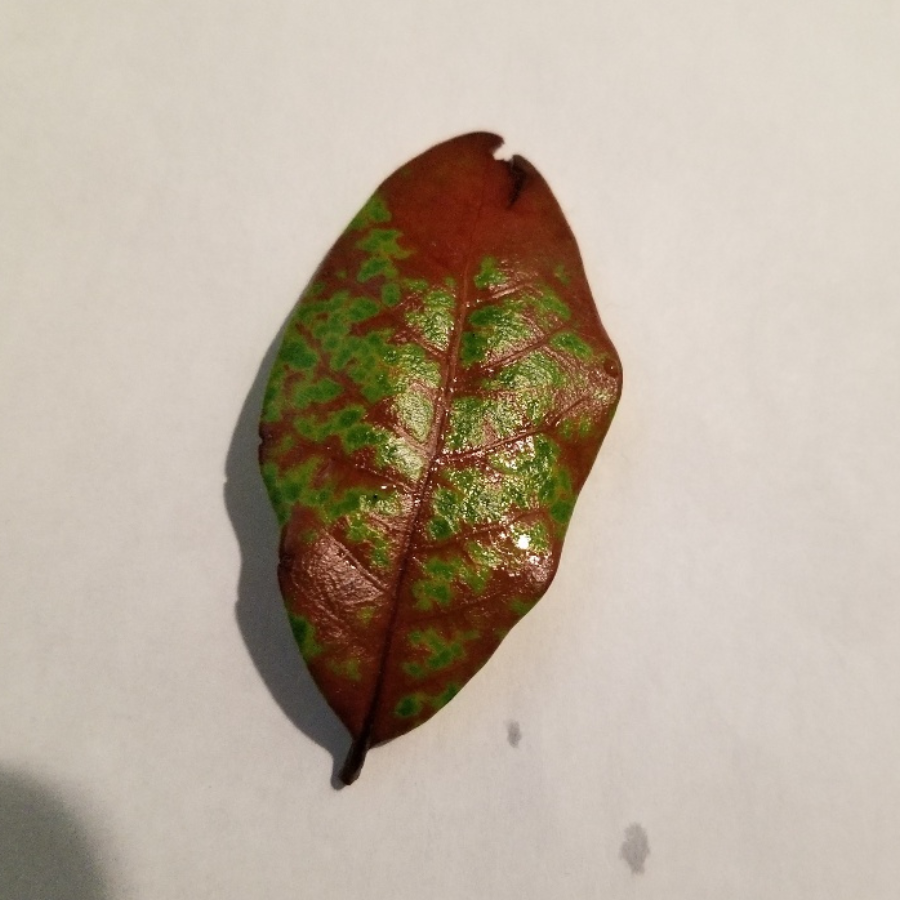
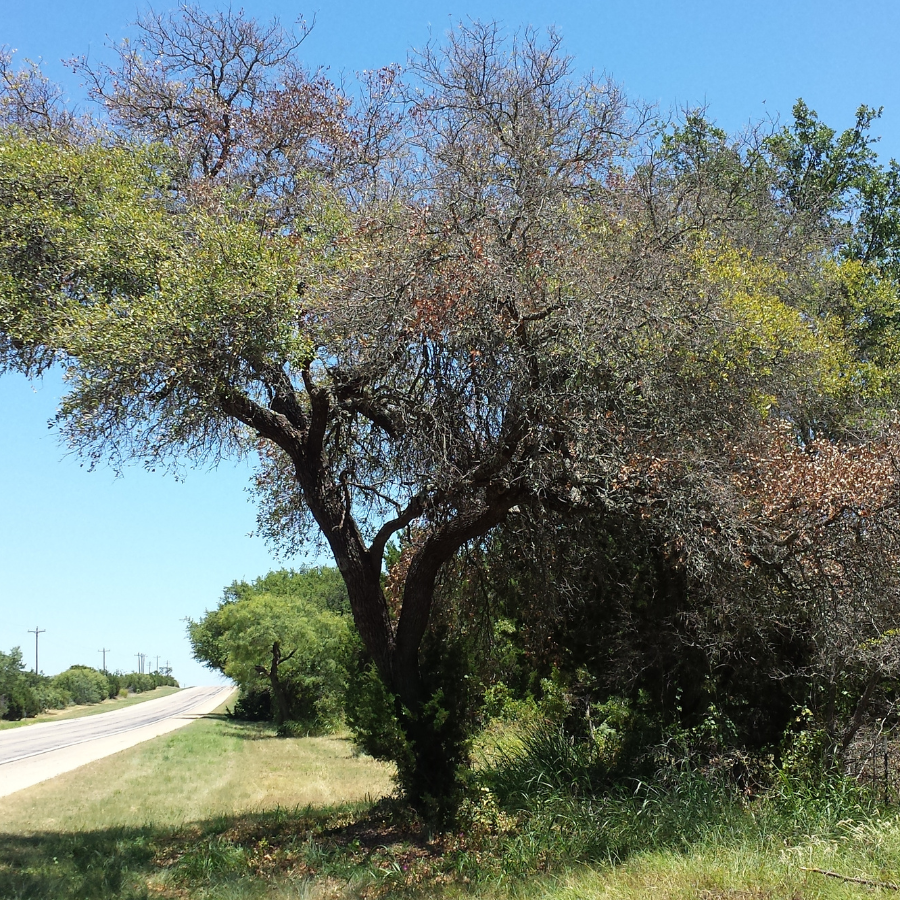
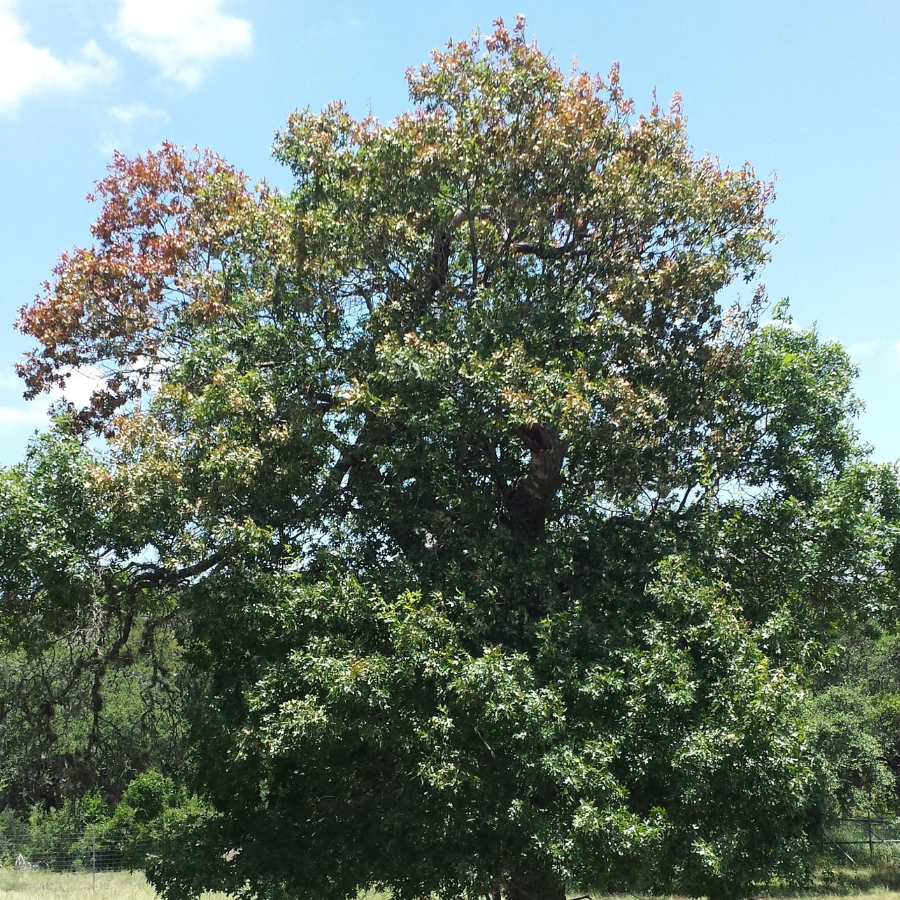
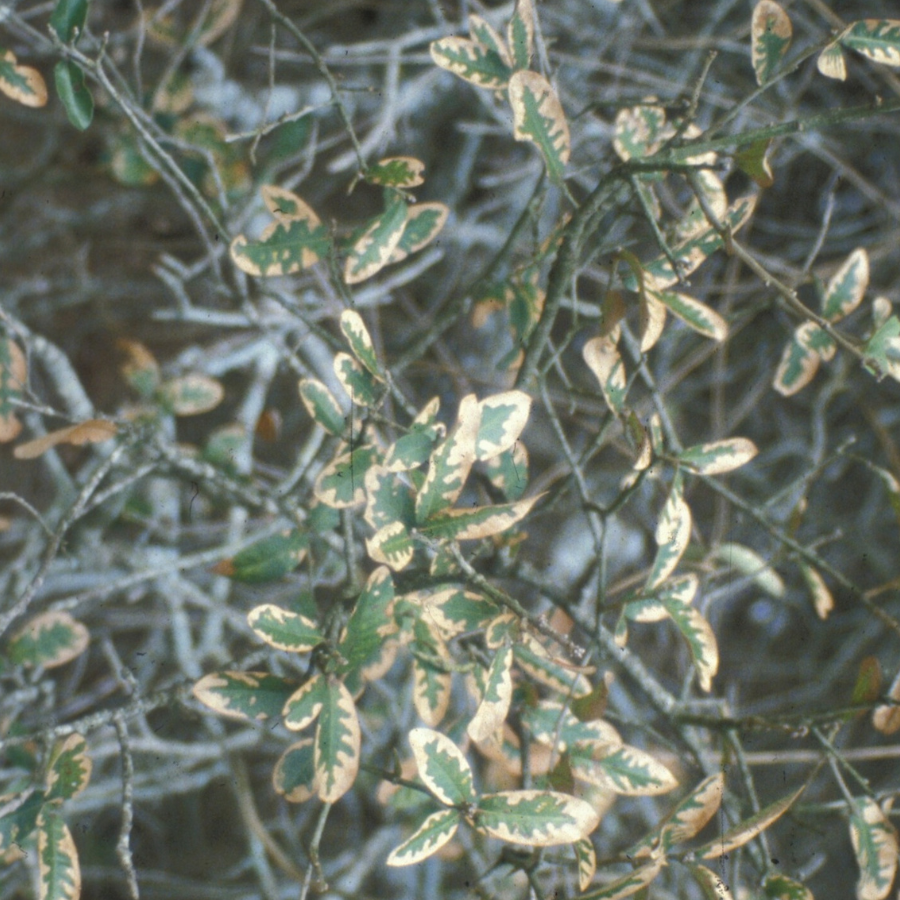
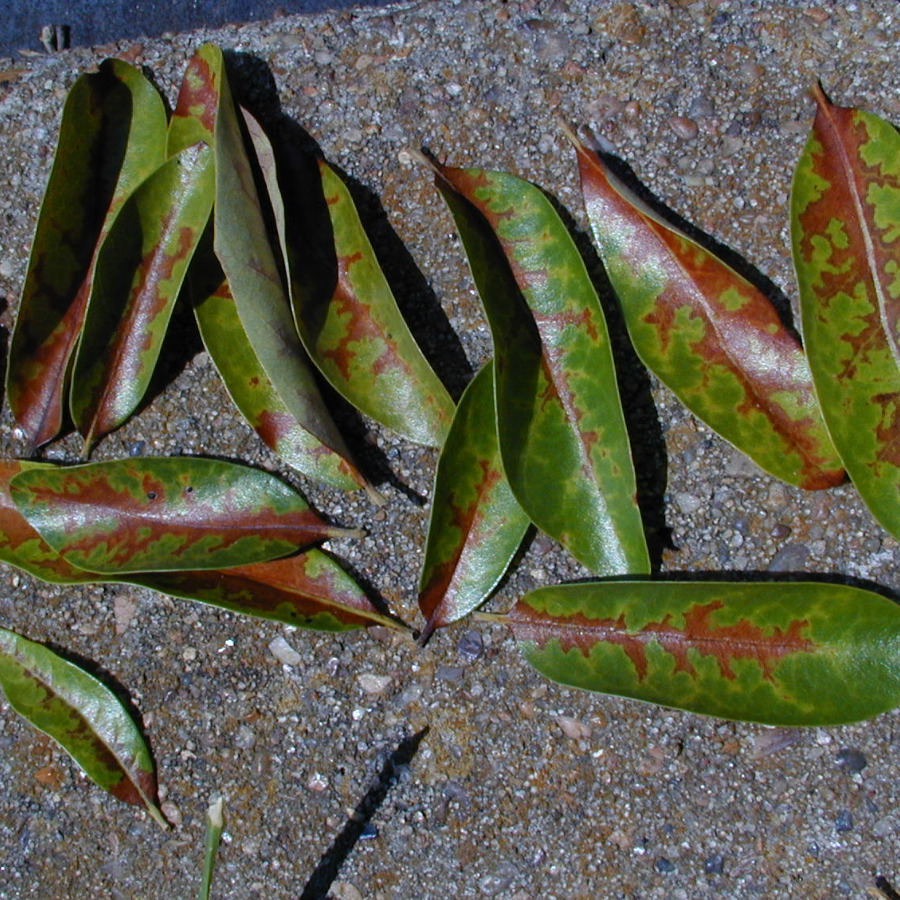
The leaves on a live oak infected with the oak wilt fungus may express a variety of symptoms. One type is called veinal chlorosis or veinal necrosis. Veinal necrosis is fairly accurate in diagnosing the problem. The name refers to discoloration of the leaf veins, trending from yellow (veinal chlorosis) to brown (veinal necrosis). These symptoms may not always be present in diseased live oaks. The cooler months of spring and fall are the best times to find veinal chlorosis and necrosis. Symptomatic leaves often drop from the tree after a few weeks but may still be found on the ground under the tree. Similar symptoms have also been found on trees with lightning strikes, freeze damage, overwatering, and even drought. If any of these causes are suspect, then further treatment options should be pursued. There are other foliar symptoms of oak wilt found on infected live oaks. These symptoms include vein banding (green veins on a yellow background), tip burn and marginal scorch, rapid uniform browning of leaves, and sometimes a general, random yellowing and browning of scattered leaves. Although veinal necrosis is more reliable, the additional symptoms indicate there is a problem needing attention. Images of all these symptoms are found below.
Leaf Symptom | Live Oaks | Photos
Leaf Symptoms | Red Oaks | Description
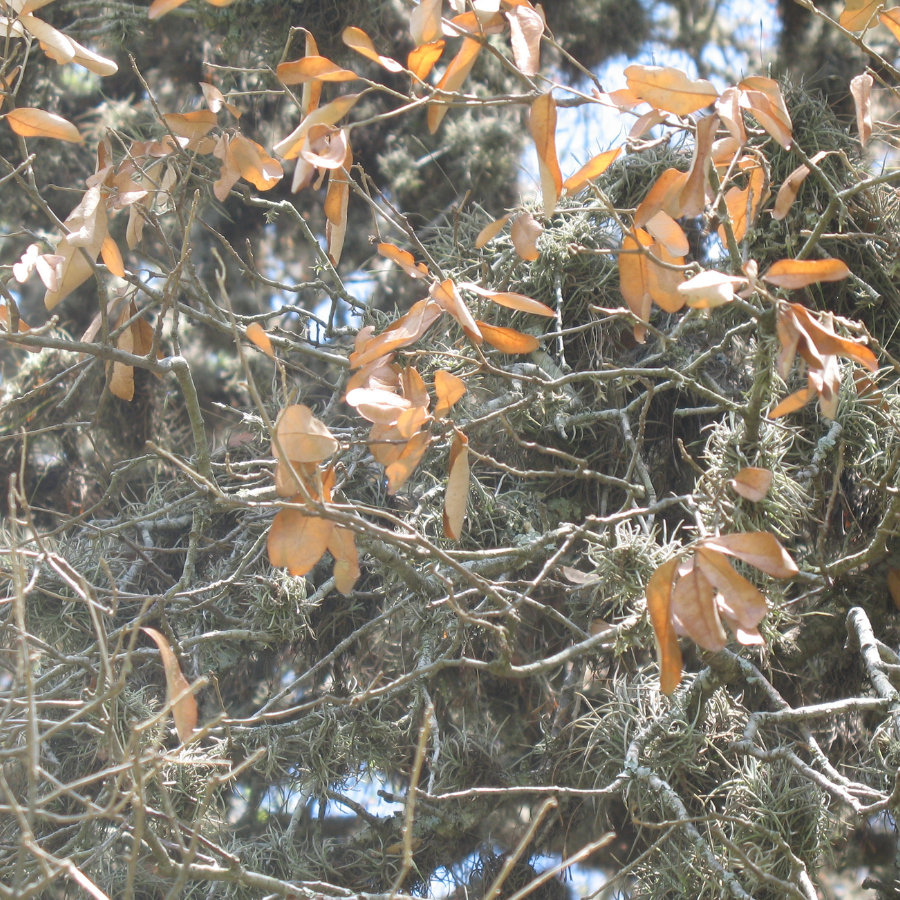
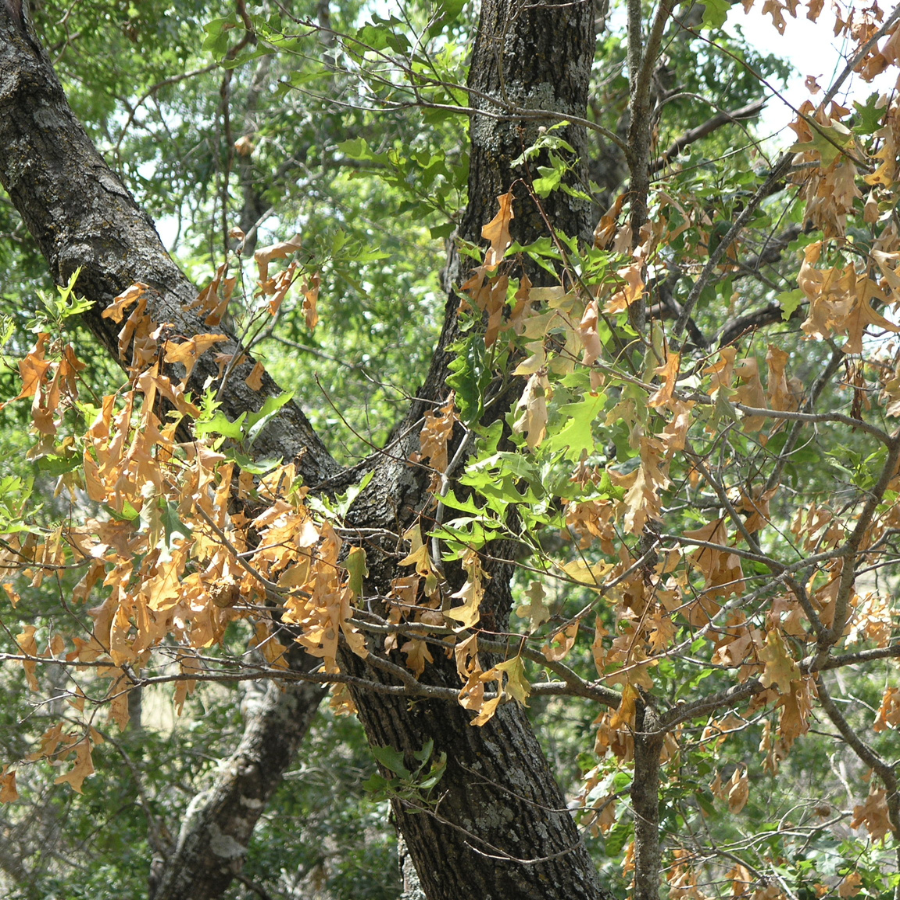
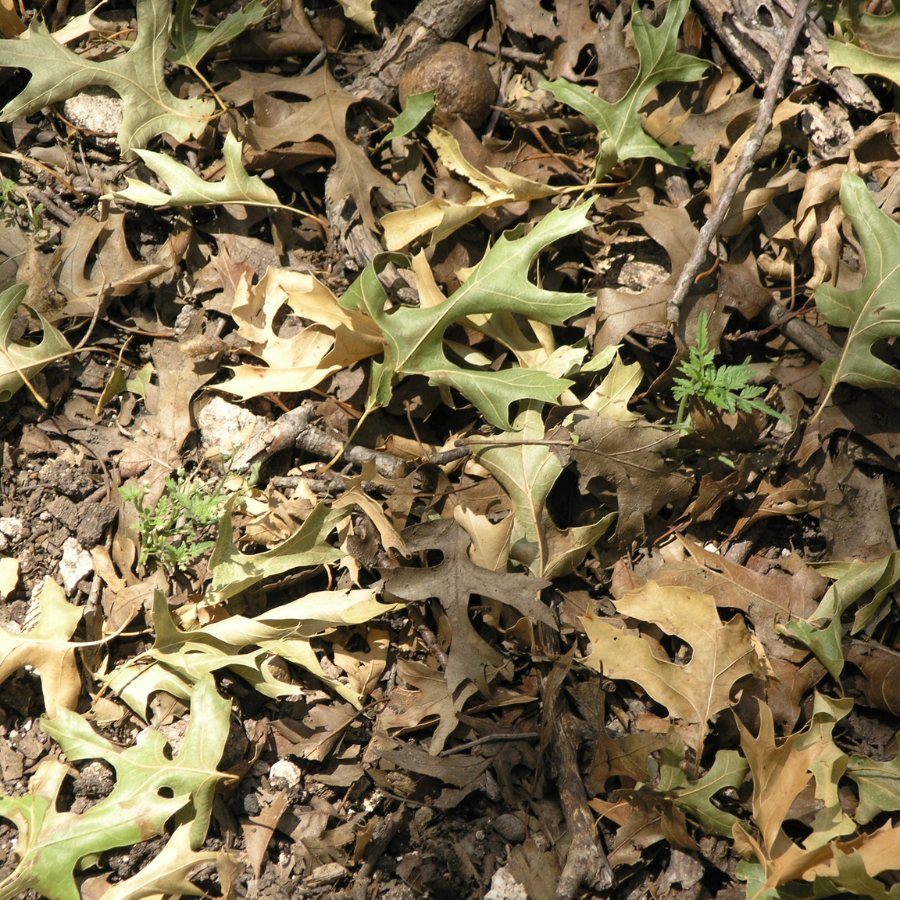
Symptomatic leaves of oak wilt on red oaks are less distinct. Wilting, browning, tip burn and marginal scorching are the most common symptoms. These symptoms usually start on a branch and then rapidly spread throughout the entire crown. Leaves on infected trees may be retained in the crown, but may also rapidly drop to the ground. Symptomatic red oaks resemble the natural color change during the fall, except they occur on trees much earlier in the summer. Naturally growing red oaks on the shallow, rocky slopes in Central Texas often succumb slowly to drought, and may be confused with oak wilt infections.
Leaf Symptoms that Mimic Oak Wilt Caused by Other Problems
Canopy Patterns of Symptoms in Individual Trees | Live Oak | Description
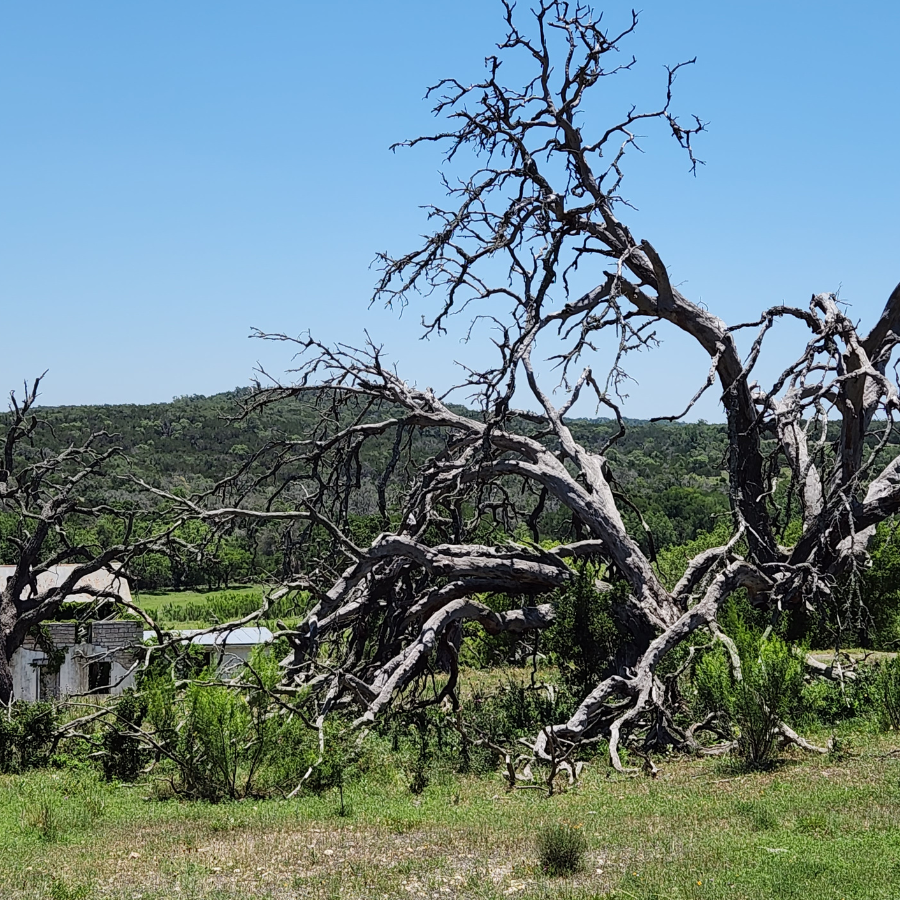
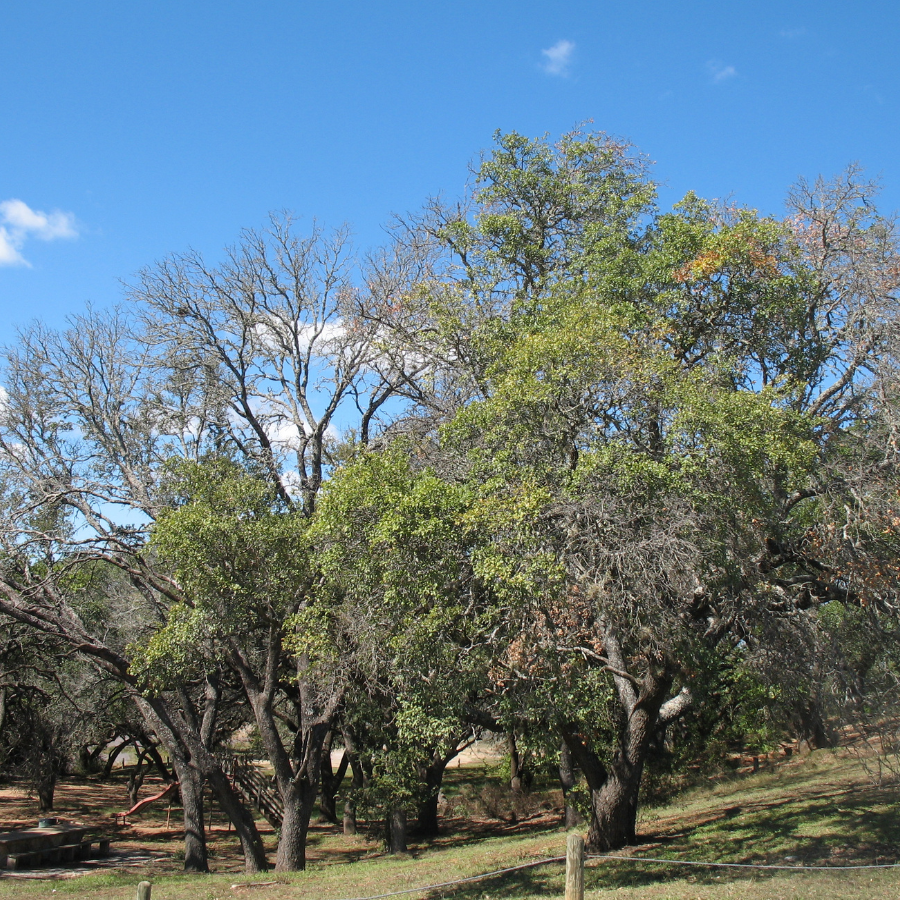
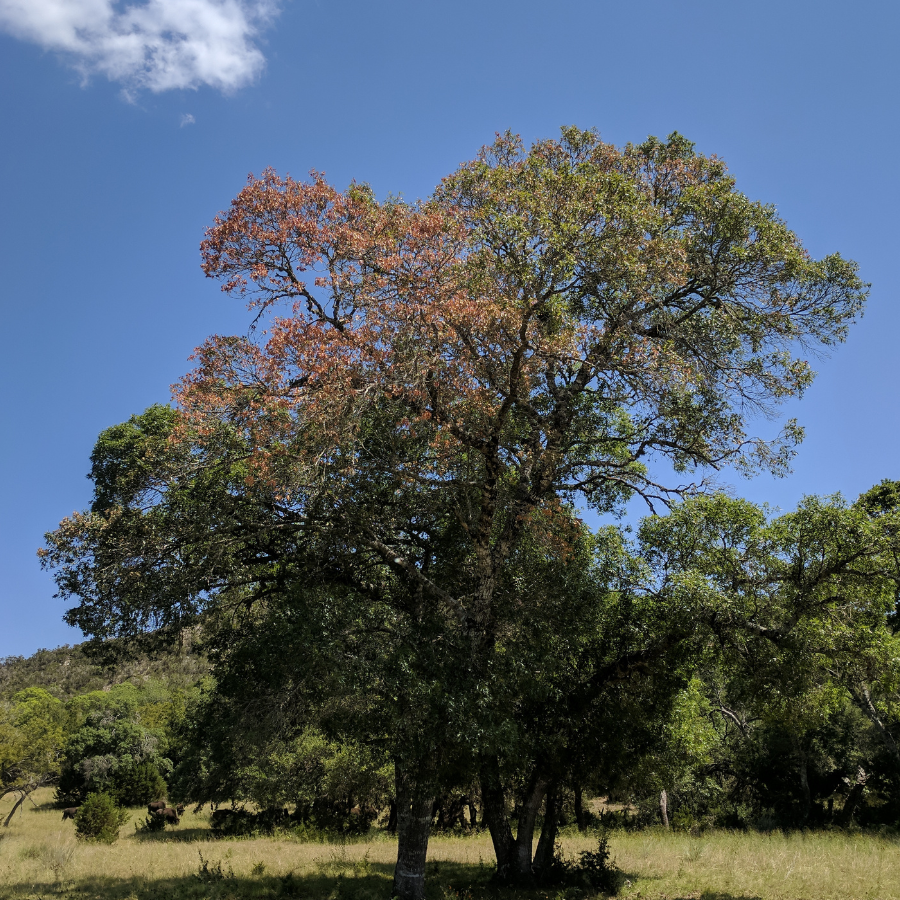
When a live oak is responding to an oak wilt infection, the dying limbs and branches in the canopy (also known as the crown) will follow certain patterns reflecting development of the disease. One important pattern is the length of time over which the crown dies. In live oaks, there is an 80 – 90% chance the tree will die within a year. A few will succumb within 30 days following the initial appearance of foliar symptoms, but more will take to 6 months or longer to die. These rates of symptom development in a group of trees may vary in space depending on the size of the disease center and numbers of trees. In a large oak wilt center for example, clusters of trees may survive in various stages of canopy loss, even when nearby trees may be mostly dead. On average 10 – 20% can be expected to survive for decades with no treatments, although the canopies of most will be decimated and no longer serve as useful landscape specimens.
Canopy Patterns of Symptoms in Individual Trees | Live Oak | Photos
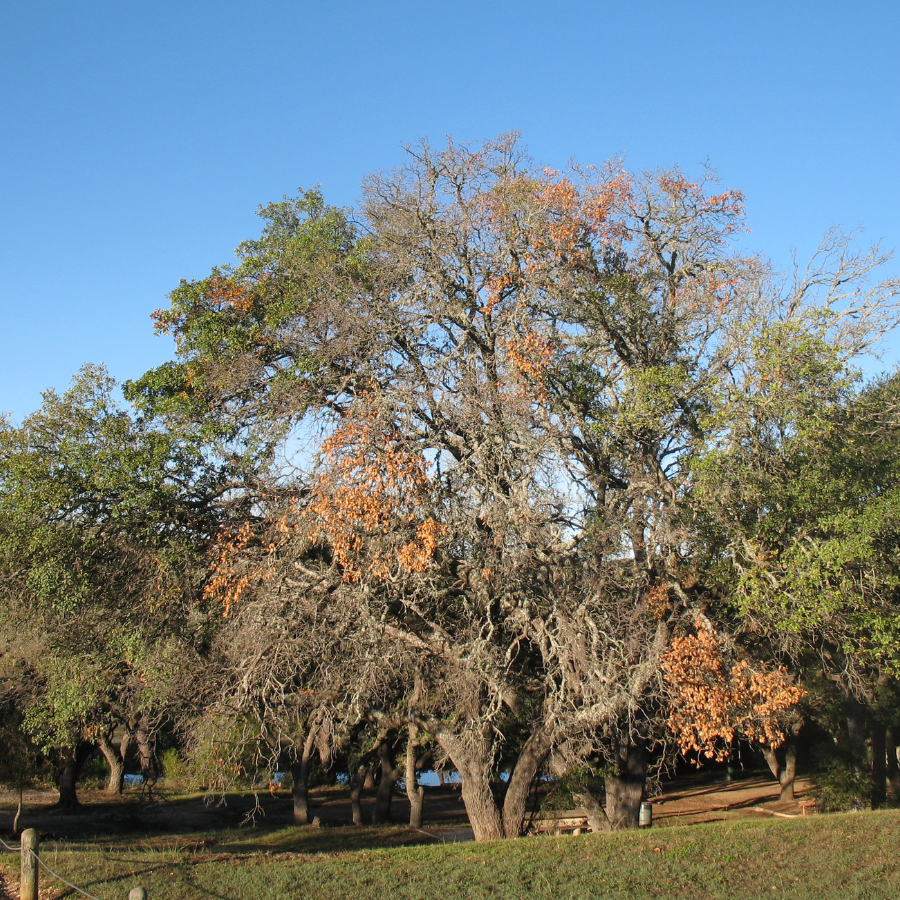
Canopy Patterns of Symptoms in Individual Trees | Red Oak | Description
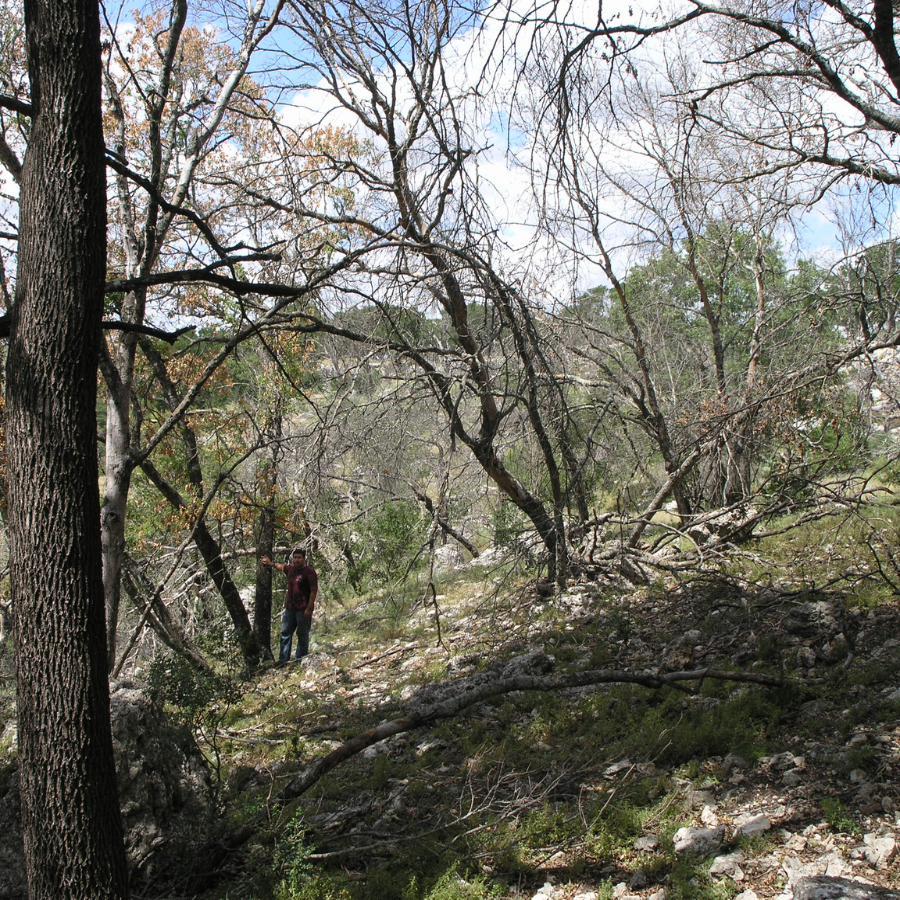
In red oaks, symptoms spread rapidly throughout the crowns of individual trees following the initial appearance of symptoms. Most red oaks will die within a month or two, especially if infected in early summer. This rapid rate of death in infected red oaks distinguishes them from trees affected by other slowly developing diseases, such as Hypoxylon canker (see the section on Hypoxylon canker in Other Topics). Rarely, a red oak infected later in the summer will survive to the following year but they invariably die as it tries to produce leaves in the spring. There are several reports in other states of symptoms in red oaks starting in the top and moving downward through the crown, but in Texas this pattern has not been consistently observed.
Canopy Patterns of Symptoms in Individual Trees | Red Oak | Photos
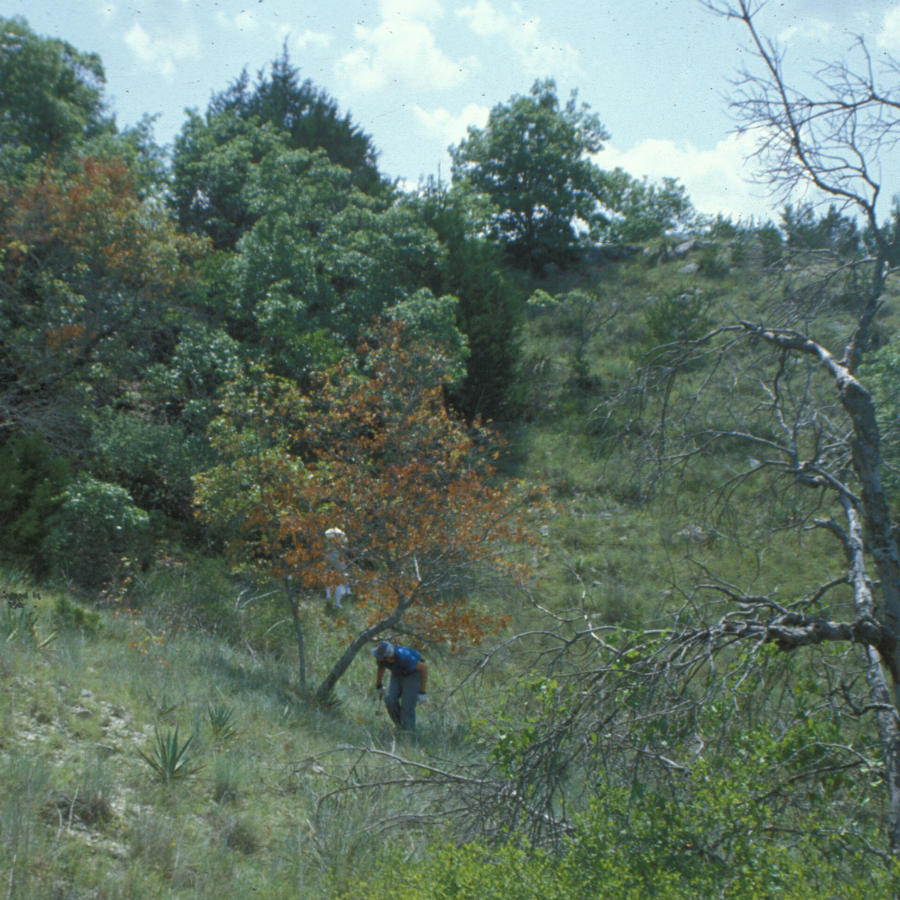
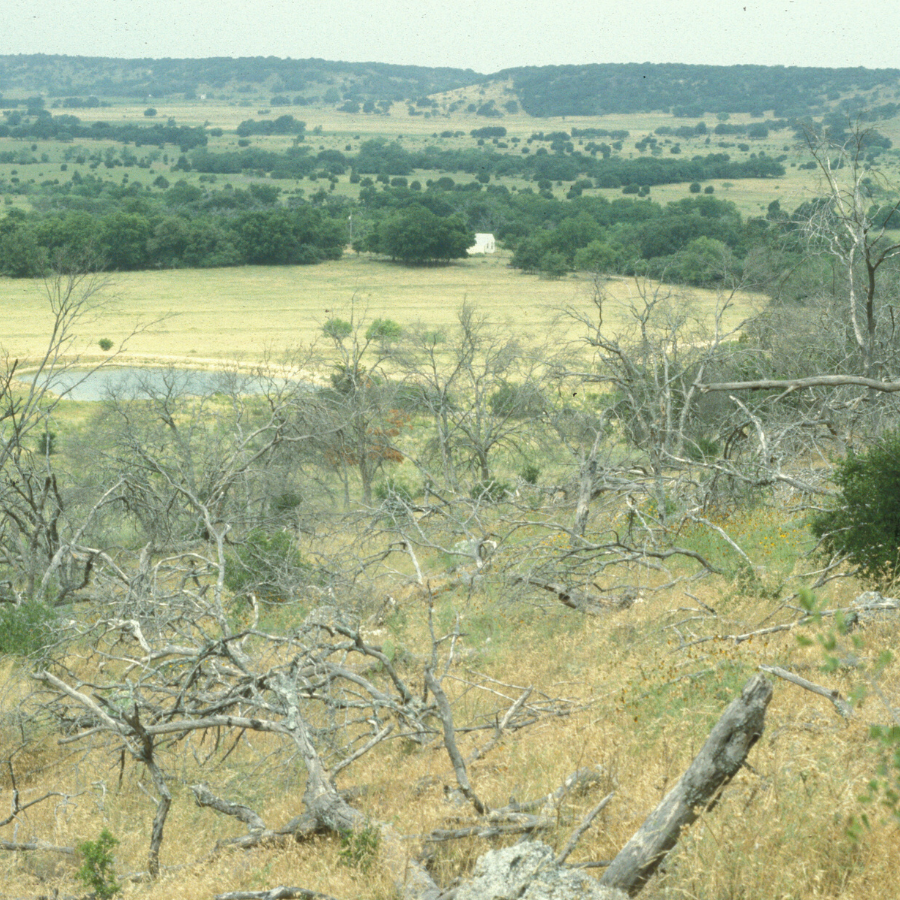
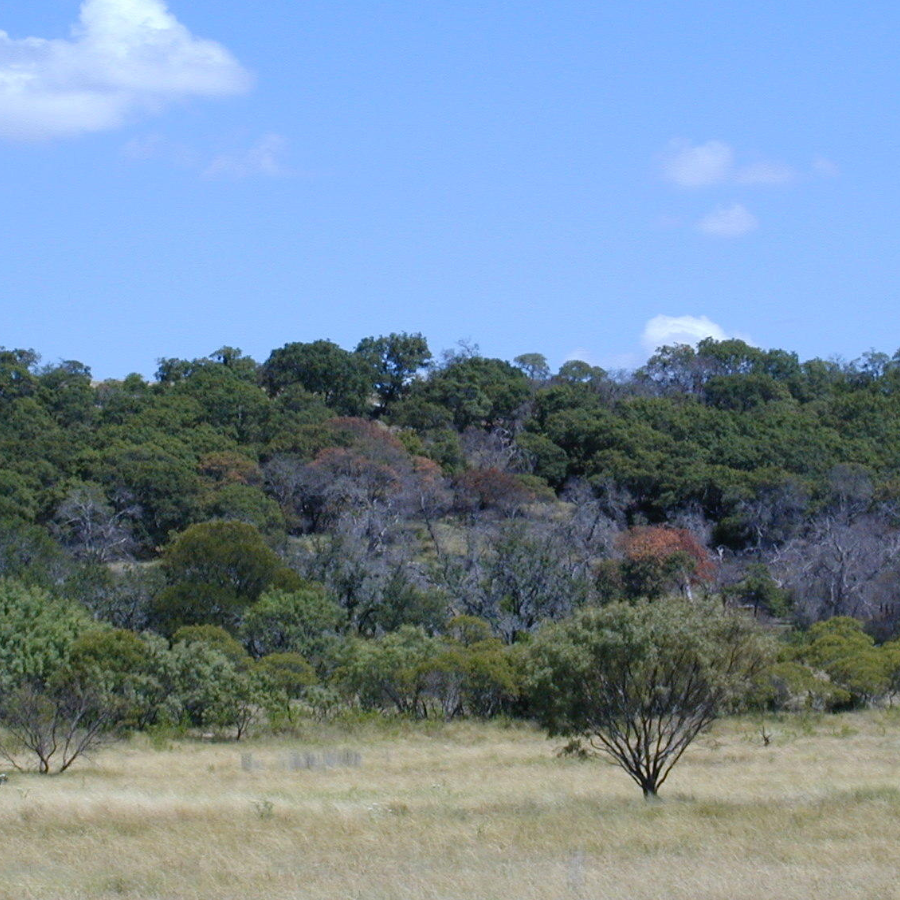
Canopy Patterns of Symptoms in Large Groups of Trees | Description
The oak wilt fungus spreads from diseased to healthy trees in two ways, each of which results in a different characteristic pattern of mortality in a tree population. The first means of spread is by tiny flying insects called nitidulid beetles (or sap beetles). These beetles transport the fungus by flying “overland” from diseased trees to initiate new disease centers. The second is when the fungus grows through connected roots between adjacent trees. The fungus cannot survive in the soil, but must always live with the roots of the connected trees.
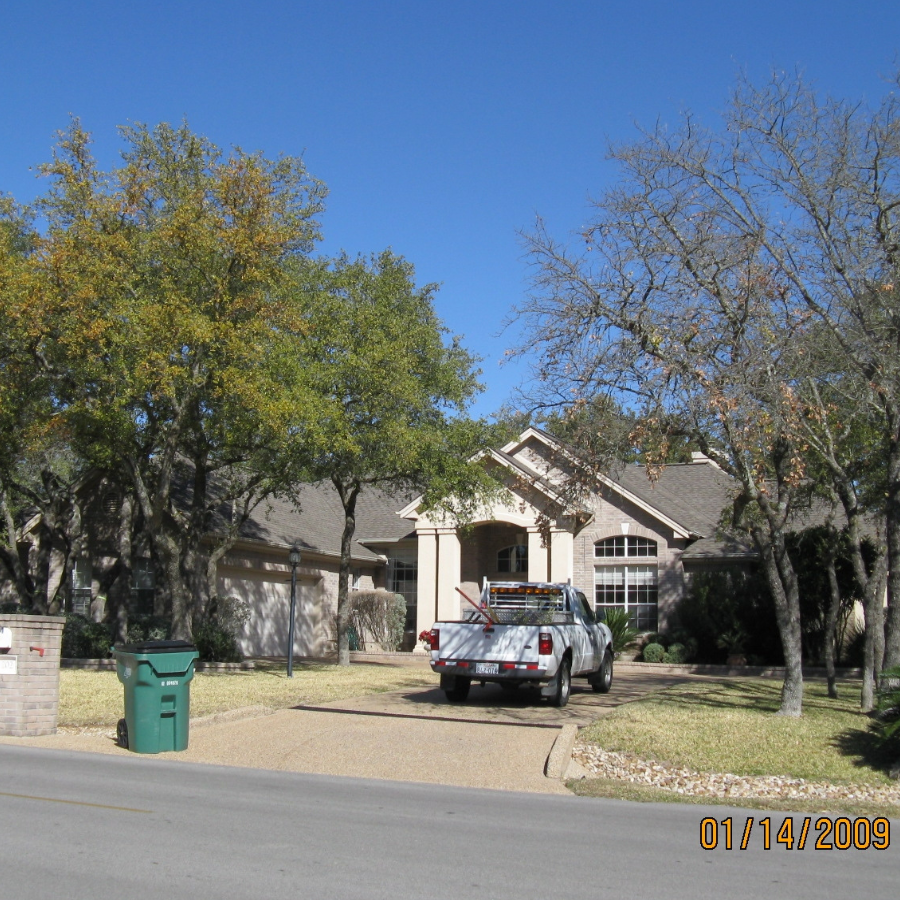
Insect transmission is rare when compared to root transmission in terms of numbers of trees killed during an epidemic. A new disease center is started when a single tree becomes infected by the beetle carrying the fungus. Subsequently, if that single tree is connected to adjacent trees, then the disease center begins to expand when the fungus grows through the roots. The resulting pattern of a center of diseased trees can be extremely destructive and is the usual means of transmission in urban environments where houses are built among the native live oaks. Oak wilt is one of the few diseases causing rapidly expanding centers of dead and dying oak trees. For further details concerning the transmission of B. fagacearum, see the section below on Host and Pathogen Biology.
Canopy Patterns of Symptoms in Large Groups of Trees | Photos
Finding the Fungus on Diseased Trees - Fungal Mats
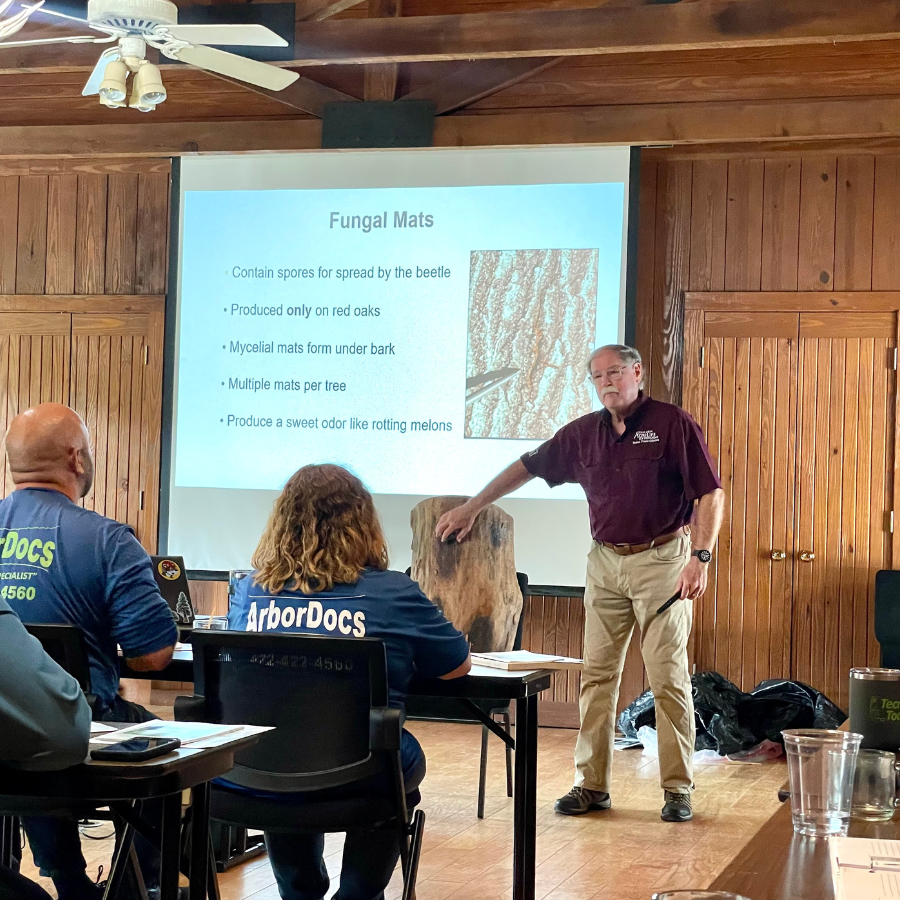
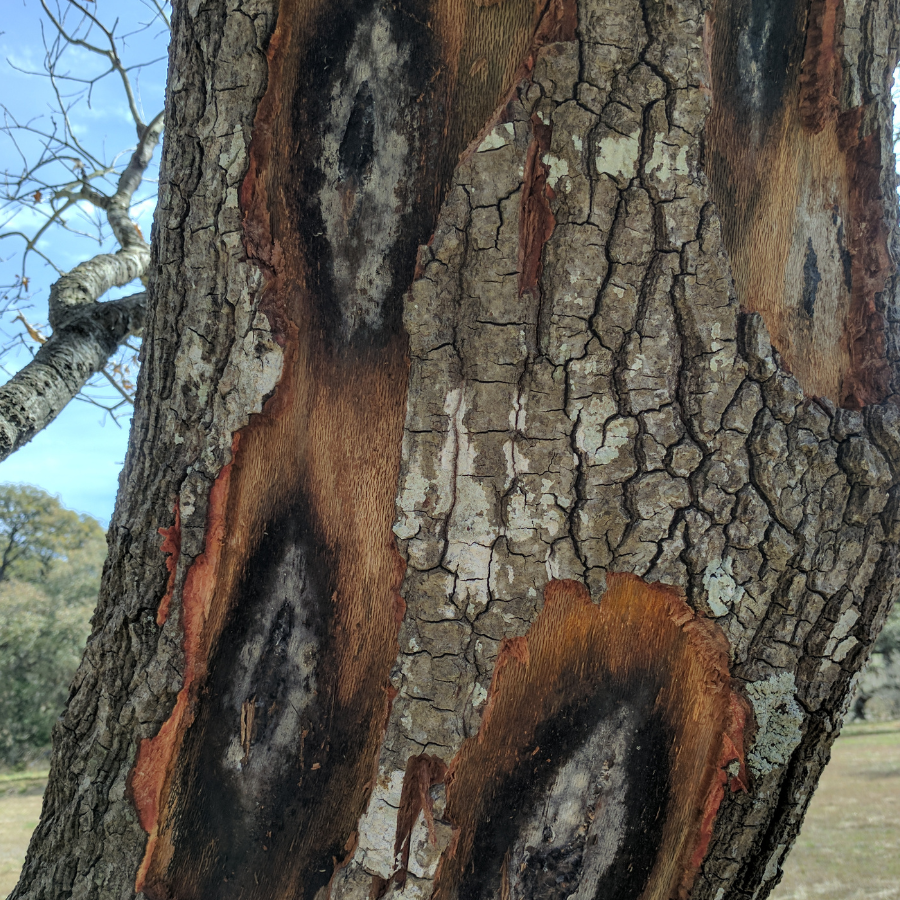
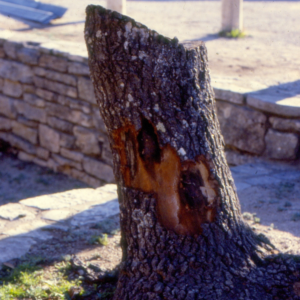
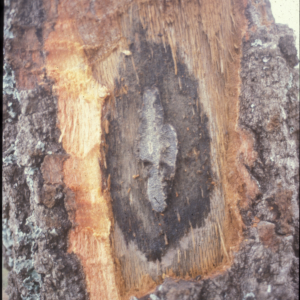
Under a rare sequence of events, the oak wilt pathogen can sometimes be seen growing on diseased trees. This exposure of the fungus provides spores for overland transmission by the nitidulid beetles. The growth is called a fungal mat and occurs only on diseased red oaks (not on the diseased live oaks!). The grayish mats are difficult to find because they grow under the bark of the diseased tree, where the fungus undergoes reproduction and formation of spores. The bark must be pried off the sapwood of the tree to reveal the fungus. The mats of fungal growth emit a characteristic sweet smell to attract the insects to the tree. Only about 1 of 20 red oaks will support the growth of the fungal mats, and they only occur during cool, wet weather. In Texas, the period of maximum mat production is during late winter and early spring. The mats only last for a few weeks following formation, making them more difficult to find and recognize. More information on fungal mat production can be found in the section on Host and Pathogen Biology.
Contact a Plant Disease Lab
There are ways of detecting the oak wilt pathogen in samples removed from diseased trees requiring submission to a relevant plant diagnostic lab. All those ways require removing branch or trunk tissues consisting of the vascular, water conducing sapwood where the pathogen grows and causes the disease. Branches are relatively easy to collect. Tissues removed from the trunk can be laborious and require the use of an ax and chisel to chop through the bark and carve out sapwood strips for submission. When submitting samples to a commercial or state supported laboratory such as the Texas Plant Disease Diagnostic Laboratory with Texas A&M AgriLife in College Station, instructions should be obtained concerning the sampling process.
How to prevent the spread of the oak wilt fungus.
Oak wilt management depends on the application of several different control methods. Some of the methods are intended to prevent spread of the pathogen, while others may be applied to treat trees at high risk of infection or even save trees in the early stages of disease development. Not all control methods below are appropriate for every situation where oak wilt occurs or is threatening trees. Each circumstance must be evaluated and matched with the appropriate response (s).
Trenching to Break the Root Connections
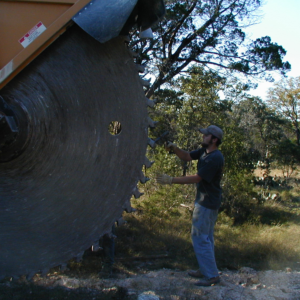
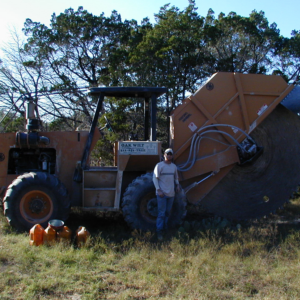
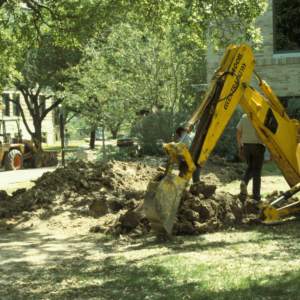
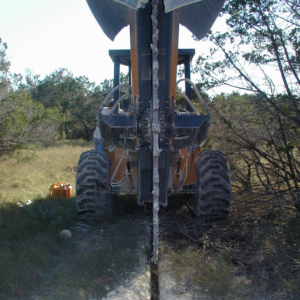
When oak trees are planted sufficiently close to one another, the roots between them will fuse to allow the exchange of water and inorganic nutrients. In addition to this kind of root grafting that occurs in both red oaks and live oaks, a different kind of root connection also occurs in live oaks growing in woodlands. Live oaks often begin as sprouts growing from the root systems of mature trees, so that they share the same root systems. Both of these different connections provide efficient “pipelines” for the pathogen to spread from diseased trees to adjacent healthy trees. These connections may be broken by mechanically breaking the roots with trenching machines such as backhoes, chain trenchers, or wheel trenchers.
Trenching requires proper placement with regard to the diseased trees and digging to the right depth. The standard recommendations are placing the trench 100 ft. beyond the outermost diseased tree on the perimeter of the disease center, and digging to a depth of 4.5 ft.
Firewood Management
There are no regulatory obligations for dealing with firewood removed from oak wilt centers. The objective of restricting the movement of firewood is to prevent spreading logs with fungal mats or contaminated beetles from an oak wilt center to a new, disease-free locations. Diseased red oak species may produce fungal mats and spores even when the tree is cut down into pieces and transported for use as firewood. No mats form on firewood sourced from live oaks, but contaminated beetles may be harbored in any tree species standing in an oak wilt centers where diseased red oaks exist, so any firewood removed from oak wilt centers where the fungus is actively killing trees should be treated with caution. Well – seasoned firewood, to the degree where the firewood has been left at the source for at least several months, is less likely to harbor mats or contaminated beetles. If the source of the firewood is uncertain, the pile should be covered with clear plastic with the edges buried, so that potential contaminated beetles cannot emerge from the wood and carry the fungus to healthy trees. Burning kills the fungus in the wood, so there is no threat of spores being carried in smoke to new locations overland. If there is any wood left over by the end of the winter season, the firewood should be disposed of or covered as described above.
Preventing Fungal Mats and Spores on Red Oaks
Because the fungus may produce fungal mats and spores on diseased red oaks, diseased trees of any red oak species must be treated thoughtfully when they are found. When the opportunity to act arises, diseased red oaks should be cut down and disposed of by burning, burying, or chipping into potential mulch. If these measures are not possible, the fungus can be killed in a diseased red oak by chopping a deep girdle around the circumference into the tree approximately 1 – 2 ft. above the ground and then stripping the bark below the girdle to the soil surface. This will cause the tree to rapidly dry and create an unsuitable condition for development of the fungal mats.
Wound Management (Pruning, Seasonal Susceptibility, and Painting Wounds)
The spores of the oak wilt fungus are not blown about by wind and splashing rain, nor can they penetrate the bark on oak trees. The only way the spores can access healthy trees is by transport on contaminated beetles to fresh wounds on the healthy tree. A fresh wound is any gash on the tree that extends through the bark into the white sapwood. Fresh refers to wounds made less than 3 days old. Wounds older than this are no longer susceptible to infection. This brief period of susceptibility means an infection may be prevented by immediately painting any wounds with a commercial tree wound paint. This simple act will keep beetles from depositing spores on new trees when they are foraging for places to feed.
There are many causes of fresh wounds during the life of an oak tree where beetles may deposit spores of the pathogen. Some are unavoidable, such as branches that break during wind storms or ice formation. Squirrel damage, hail, and vandalism may also occur without warning. There are also wounds caused intentionally, the most important of which is pruning. Pruning of trees is a necessary source of wounding in trees growing in urban environments. The most dangerous of wounds, regardless of the cause, are those that occur between February 1 and the end of June. Wounds during then should be painted immediately after they occur. If a wound occurs on a branch, and cannot be accessed immediately, then the branch should be cut below the original wound and painted. An example would be a branch that breaks due to heavy accumulation of ice. A new cut made below the break may remove an active infection before the fungus can grow down into the trunk.
Pruning tools used on diseased oaks should be cleaned with commercial bleach solution made with a 1: 9 dilution. Other commercially available disinfectants can also be used to clean tools. This recommendation should always be practiced when pruning trees, regardless of the cause of death.
Planting Resistant Trees
The reasons for choosing a tree species for planting go beyond the risk of oak wilt. Mature size, soil conditions, growing spaces, urban infrastructure, and aesthetics should all be considered when selecting a type of tree for planting. However, if the site was previously affected by oak wilt, of the oak wilt fungus is at a high risk for spreading to the site, resistant oaks or non-oak species should be considered. There are many lists of preferred trees available on the internet for most locations throughout Texas. The Texas A&M Forest Service has an excellent planting guide located at https://texastreeplanting.tamu.edu/.
How to treat high risk trees that already have oak wilt.
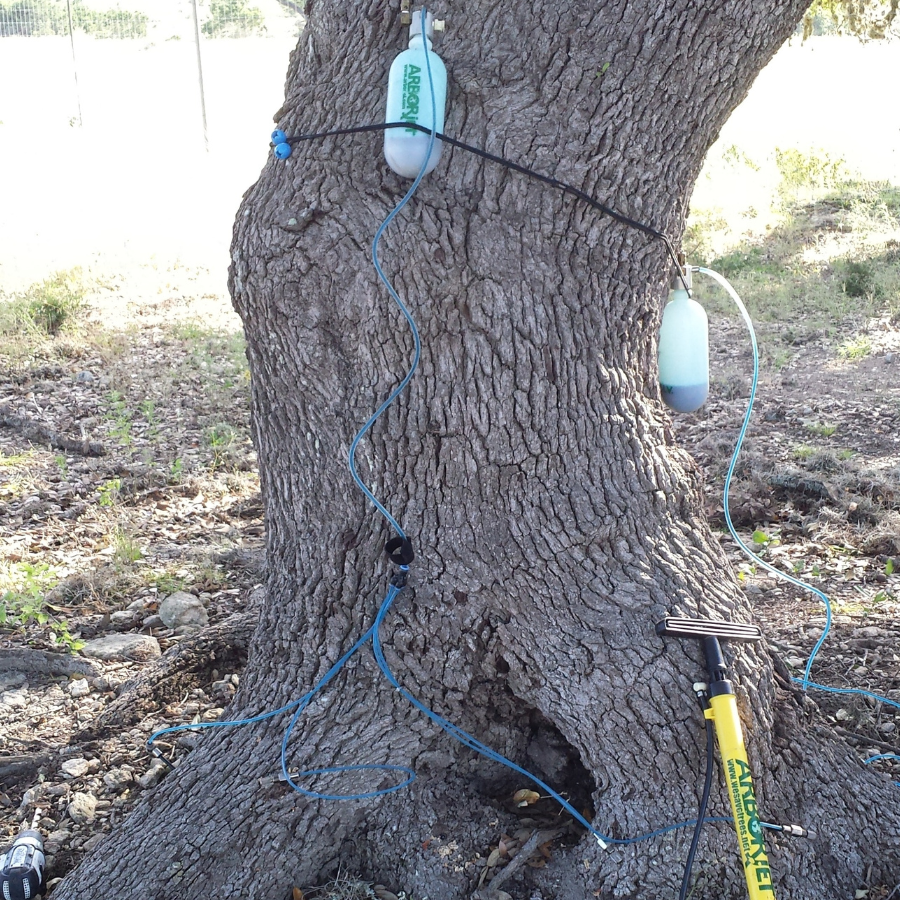
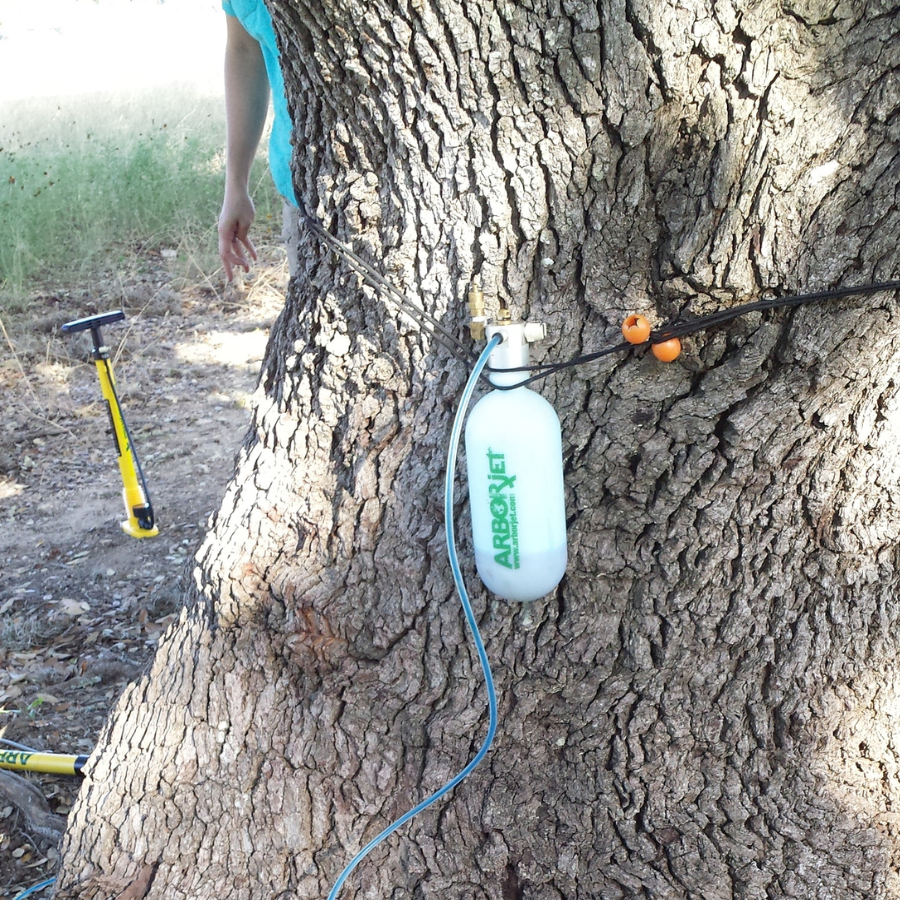
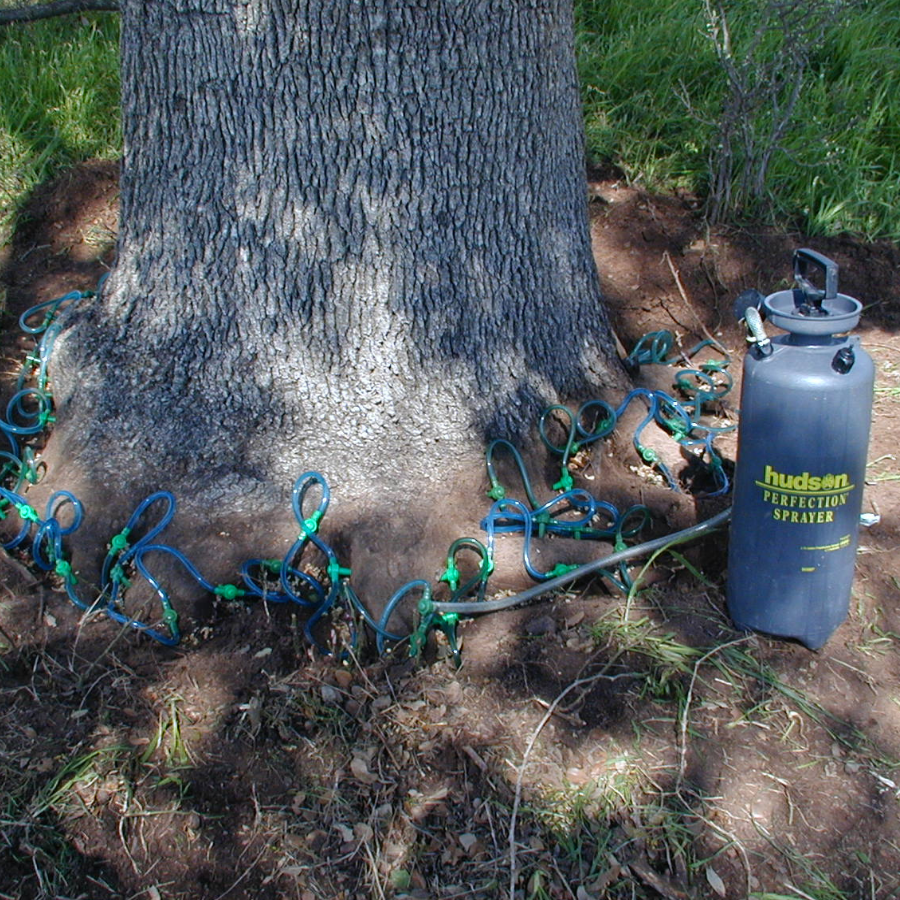
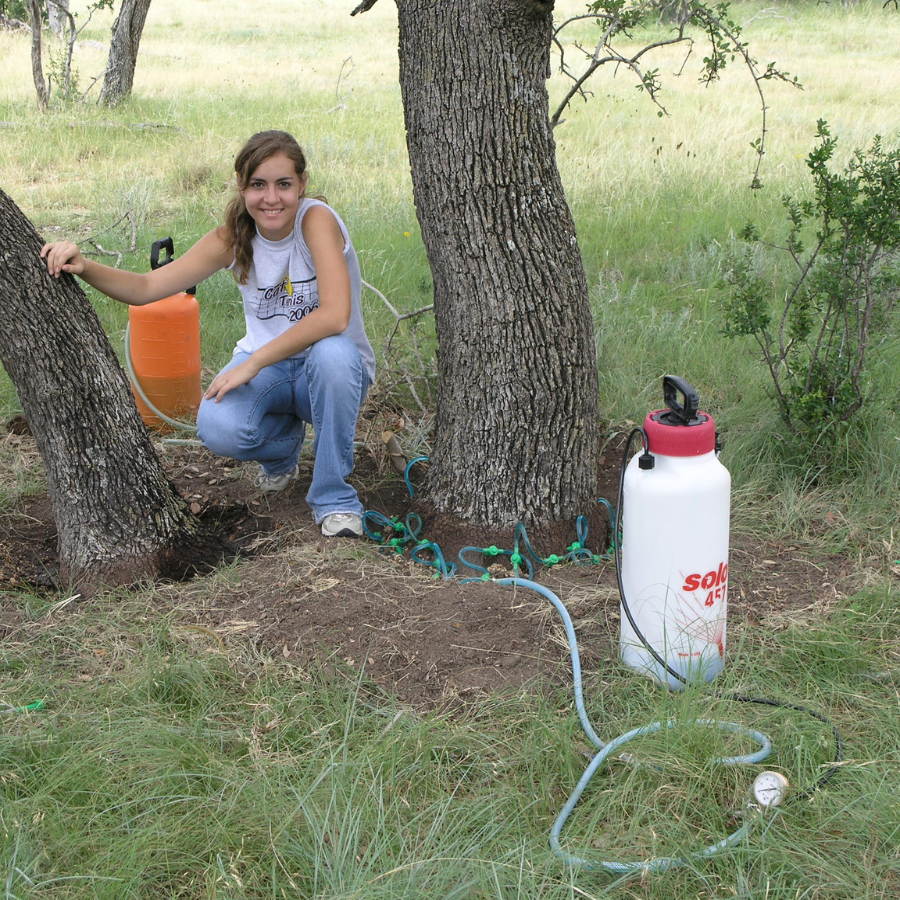
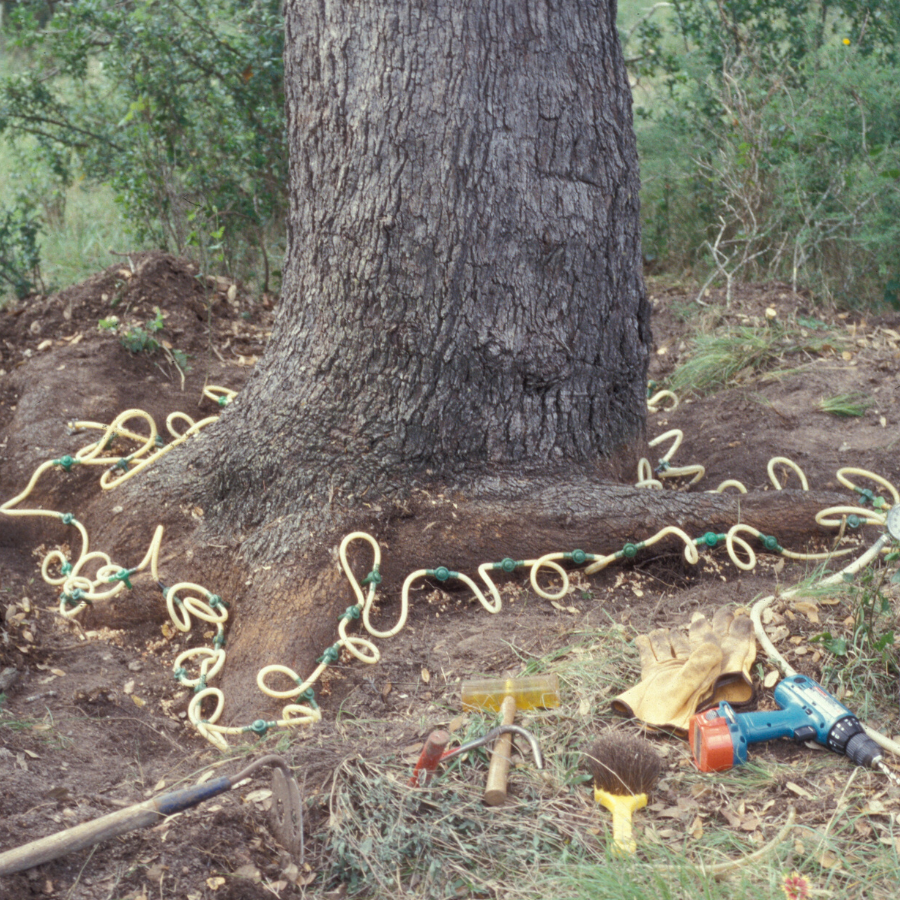
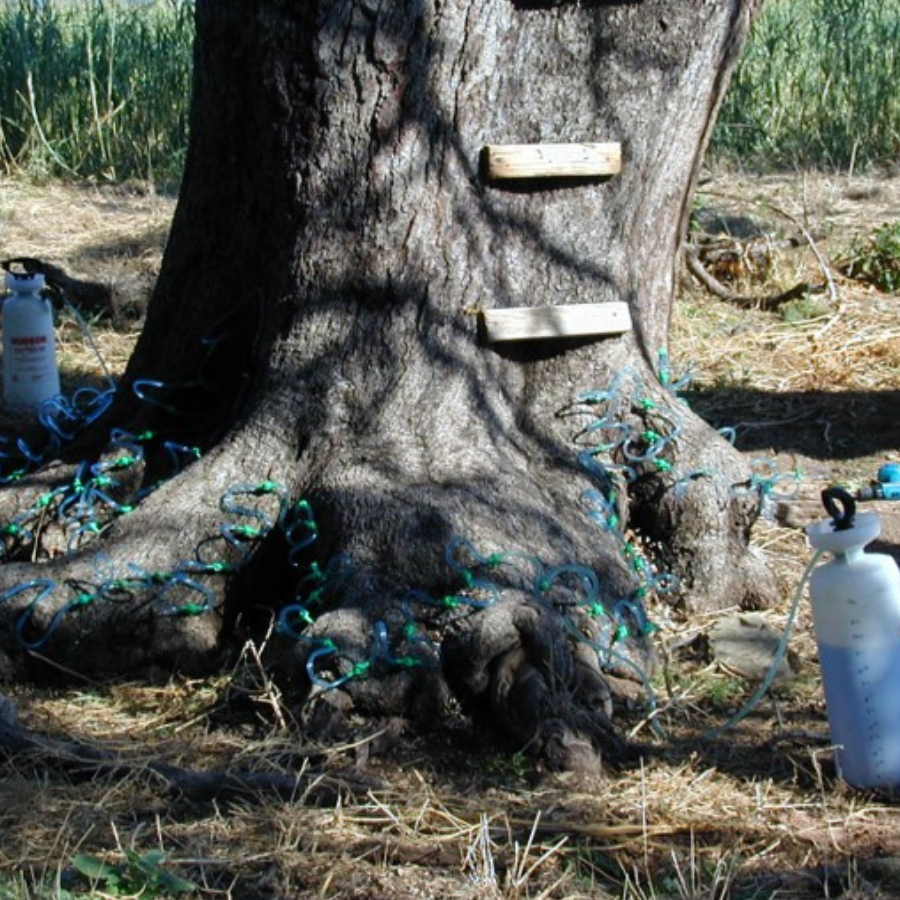
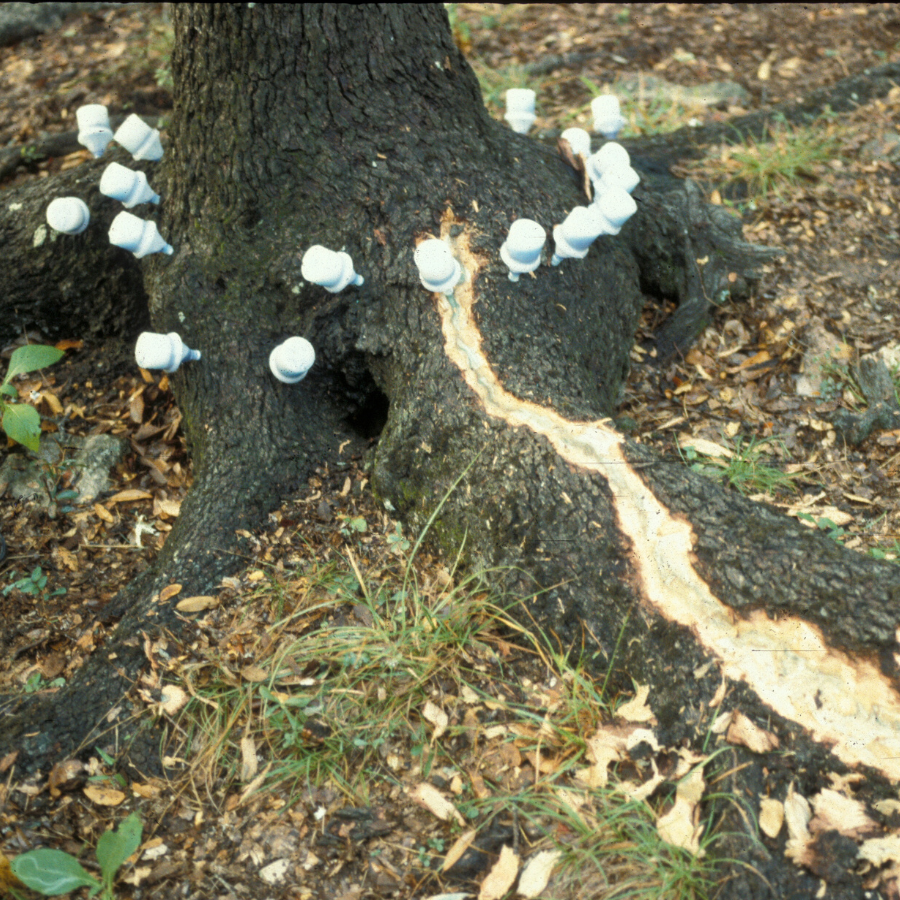
Injection of an oak tree with a chemical fungicide called propiconazole or related compounds is a common management technique to treat trees at high risk to infection by the pathogen where other recommendations have failed or are inappropriate. Injecting trees is a skill requiring a thorough understanding of tree anatomy and physiology to be successful. To be most successful, trees should be injected preventatively, before the fungus invades the root system of a tree. Therapeutic injections, by treating in the earliest stages of infection, may also be successful but cannot be expected to perform as well as preventative treatments. Injections are best administered by certified arborists with an established history of training and practice. Qualified arborists can be found on the website of the Texas Chapter of the International Society of Arboriculture (https://isatexas.com/resources/find-an-arborist-v2/).
The objective of injecting is to deliver the fungicide into the sapwood of the trees, also known as the vascular system where the fungus grows and kills the tree. There are different fungicide formulations and injection systems available for injecting trees, each with various advantages depending on the specific circumstances of a given case. Some systems have been proven effective with systematic, published research. Other injection practices have been developed in the tree health industry and are supported by the personal experiences of the arborist recommending them. When hiring an arborist to treat a tree for oak wilt with injection, efforts should be made to verify the treatment being recommended has a proven track record of success.
Injection Photos
Arborjet Hybrid Injection
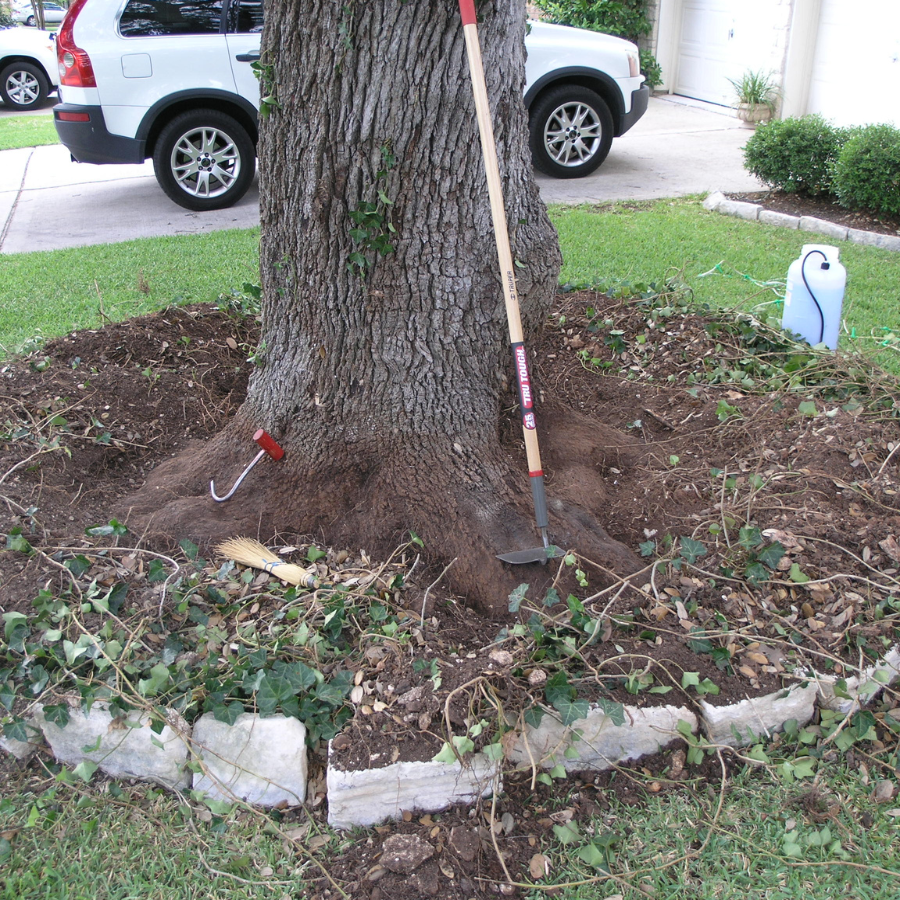
Exposing the Root Flares
Macro Injection
Macro Injection
Macro Injection
Macro Injection
Macro Injectors
How to dispose of diseased wood.
Red oak trees infected with oak wilt should be promptly removed and destroyed by burying in a landfill or burning. If there are no fungal mats on the trees, both red oaks and live oaks can be safely chipped into small pieces and used for mulch. If intended for firewood, live oaks should be cut into pieces, stacked on site, and left through a full season until thoroughly dried and the bark is loose. In large-scale oak wilt centers, the dead, standing live oaks may be left on site without contributing to further spread of the pathogen.
Looking to learn more?
While this page covers the essential facts about oak wilt—how it spreads, how to identify it, and what you can do to protect your trees—our Library offers a deeper dive into the science and research behind the disease. Explore peer-reviewed studies, technical articles, case reports, and the latest findings to better understand the biology, management strategies, and ongoing research surrounding oak wilt.